
How to Evaluate Swimwear Manufacturers: 7 Metrics for Brands
Choosing a swimwear manufacturer is not only a price comparison. For overseas brands, the real question is whether a supplier can turn your design, fabric requirements, quality standard and delivery schedule into stable bulk production. A low quote is useful only when the factory can also control sampling, materials, sewing quality and shipment timing.
This guide gives brands a practical seven-point framework for evaluating swimwear manufacturers before committing to samples or bulk orders. It also connects supplier selection with related planning topics such as the swimwear manufacturing process, remote factory audits, sourcing in China and private label production.
1. Compliance and Market Requirements
The first question is whether the manufacturer understands the compliance expectations of your target market. Swimwear can involve fabric safety, colorfastness, care labeling, children’s product requirements, chemical restrictions and retailer documentation.
- Can the supplier provide fabric or product test reports when needed?
- Do they understand OEKO-TEX, REACH, CPC, GCC or retailer-specific requirements?
- Can they explain what is covered by their documents and what must be tested separately for your order?
A reliable supplier should not treat compliance as a decoration on the website. They should be able to explain what applies to your product type, fabric and sales market.
2. Fabric and Trim Capability
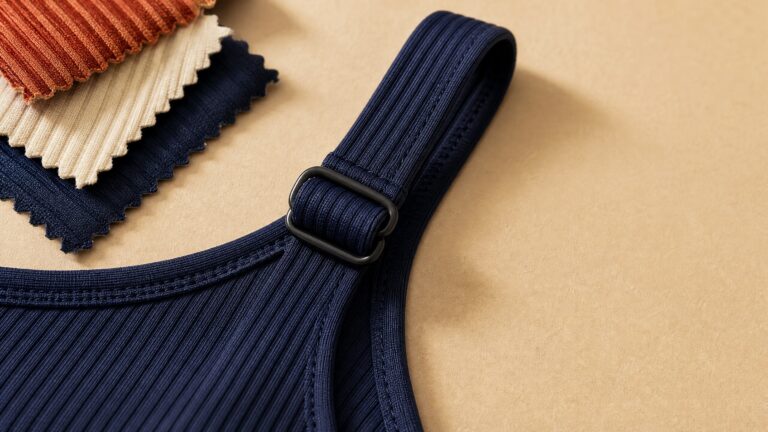
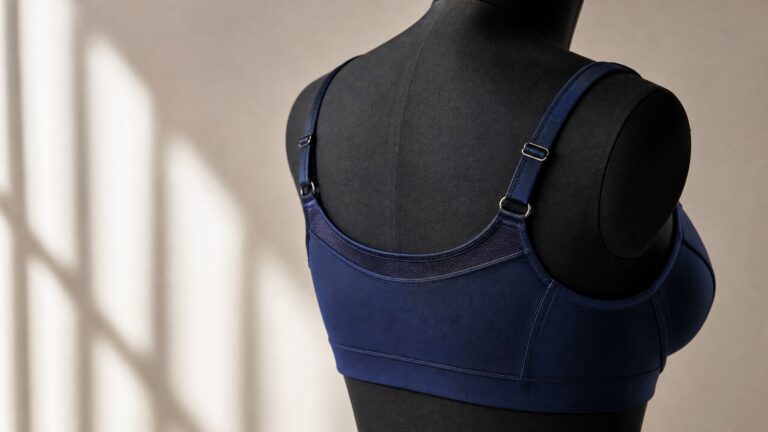
Swimwear depends heavily on material performance. A strong manufacturer should understand nylon-spandex, polyester-spandex, lining, stretch recovery, sublimation printing, removable pads, elastics, rings, sliders and packaging accessories. This matters because fabric and trims affect fit, durability, MOQ and cost.
If the factory cannot explain fabric options clearly, it will be harder to control quality later. Before confirming a supplier, review how they source and test materials. The swimwear fabric selection guide can help you ask better questions during this stage.
3. Sampling and Technical Development
Sampling quality is a strong early signal. A good supplier will ask for enough information before quoting or sampling: sketches, reference images, measurements, fabric direction, construction notes, color requirements and trim details.
For custom swimwear, a detailed swimwear tech pack helps the factory understand the design and reduces repeated revisions. For private label swimwear, the supplier should still be clear about which parts can be customized and which parts are fixed by the existing pattern.
4. Quality Control Across the Production Process
Do not only ask whether the supplier has quality control. Ask where quality is checked. Swimwear quality should be monitored from fabric arrival to cutting, sewing, inspection, packaging and shipment.
- Incoming inspection: checks fabric shade, width, weight, stretch and visible defects.
- In-line inspection: catches sewing, measurement and construction problems before the full batch is finished.
- Final inspection: verifies appearance, measurements, labels, packing ratio and shipment readiness.
A factory that only checks at the end may discover problems too late. For brands selling through retailers, late quality issues can become chargebacks, delayed launches or inventory losses.
5. MOQ, Capacity and Lead Time
MOQ and lead time should be evaluated together. A low MOQ is useful for startups, but only if the supplier can still maintain fabric consistency, production quality and realistic delivery timing. A large capacity is useful for scaling, but only if smaller trial orders are handled with enough attention.
For new brands, the right supplier is often one that can support a staged path: sample development, controlled first order, reorder, then larger seasonal production. This is especially important if you are still deciding between private label and custom swimwear.
6. Pricing Transparency
A professional quote should help you understand cost drivers, not just give a final number. Fabric type, print method, lining, pads, trims, packaging, order quantity and construction complexity can all affect price.
When comparing factories, ask what is included in the quote and what may be charged separately. Then connect the factory price to freight, duties and selling margin using a clear swimwear pricing strategy.
7. Communication and Problem-Solving
Communication quality is often the difference between a manageable project and a stressful one. A good supplier should respond clearly, ask specific questions, flag production risks and explain trade-offs before they become expensive problems.
If you cannot visit the factory, use video calls and structured checklists to review the facility, sample room, production line, inspection process and packaging area. The remote video factory audit guide gives a practical way to do this before placing a larger order.
How to Use These Metrics
Do not score a supplier on one factor alone. A useful evaluation combines cost, technical capability, quality control, communication and fit with your brand stage. A startup sourcing its first collection may value MOQ flexibility and clear guidance. An established brand may prioritize capacity, compliance documents and repeat-order consistency.
If China is one of your sourcing options, start with the dedicated guide on sourcing swimwear in China for startups. If you are comparing regions, the Bali vs China swimwear sourcing comparison can help you understand supply-chain differences.