
Swimsuit Metal Trims Guide for Swimwear Buyers
Metal trims can make a swimsuit look more premium, but they also create sourcing and quality risks. Rings, sliders, clasps, hooks, underwires, chains, and decorative hardware must survive saltwater, chlorine, sunscreen, sweat, stretching, packing, and repeated wear.
This guide explains how buyers should evaluate swimsuit metal trims before sampling and bulk production. It works together with our more specific rust-proof sliders and rings procurement guide.

Why Metal Trim Selection Matters
Metal trims affect both appearance and function. A ring may define the front of a bikini top. A slider may control strap adjustability. A clasp may determine whether the garment feels secure. An underwire may shape bust support. If these components fail, the entire garment feels low quality.
Trim selection should happen early in the swimwear manufacturing process, because hardware can affect pattern design, seam construction, fabric reinforcement, and lead time.
Main Types of Swimsuit Metal Trims
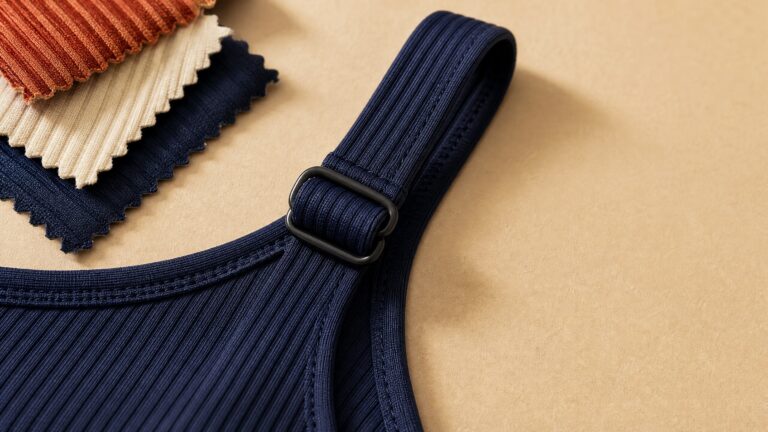
- Rings and O-rings: used for straps, center fronts, side details, and decorative structure.
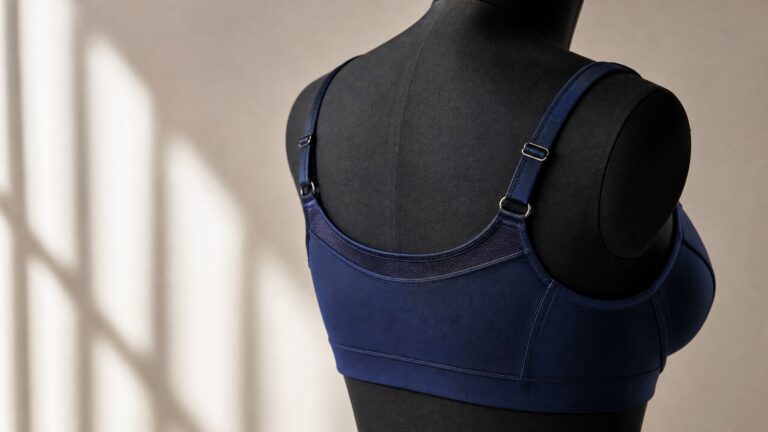
- Sliders and adjusters: used to adjust strap length and improve fit flexibility.
- Hooks and clasps: used for back closures, halter closures, and detachable design details.
- Underwires: used for bust shaping and support in structured tops.
- Decorative charms or chains: used for fashion positioning, but they require careful testing.
Material Options
Common trim materials include zinc alloy, brass, stainless steel, aluminum alloy, and coated plastic with a metal appearance. Each option has tradeoffs in cost, weight, corrosion resistance, finish quality, and mold flexibility.
For swimwear, the cheapest metal is rarely the best choice. A low-cost trim can discolor, peel, rust, or irritate the skin. Buyers should ask the factory or trim supplier which material is suitable for saltwater and chlorine exposure.
Testing Checklist for Metal Trims
- Salt spray or corrosion resistance testing where relevant.
- Chlorine and sunscreen exposure review.
- Colorfastness and plating adhesion check.
- Pull strength and functional security.
- Skin contact safety and nickel compliance if required.
- Bulk consistency across batches.
- Packaging protection to avoid scratches during shipping.
Include trim dimensions, color, material, and placement in your swimwear tech pack. The factory should test the trim with the actual fabric, not only as a loose component.