
Bottle-derived recycled polyester and made-to-order: a swimwear case study
A 19-year-old in Holly Springs, North Carolina started a beachwear label with a $500 loan from his parents. Six years later the business is described as six-figure. The Times of India frames it as an entrepreneur profile, and that is what it is. Underneath the profile sit two production decisions swimwear sourcing teams reopen every season: a swim fabric made from discarded plastic bottles, and a make-it-when-someone-orders-it model that carries no pre-season stock.
Neither decision is new, and neither is proven at scale in the source. What the report offers is one small, concrete instance of both running inside the same brand at the same time. Worth logging as a reference point. Not worth treating as evidence.
What the report actually establishes
- Coastal Cool launched on Bierman’s 13th birthday in August 2020. The $500 covered business registration, a website and sample products.
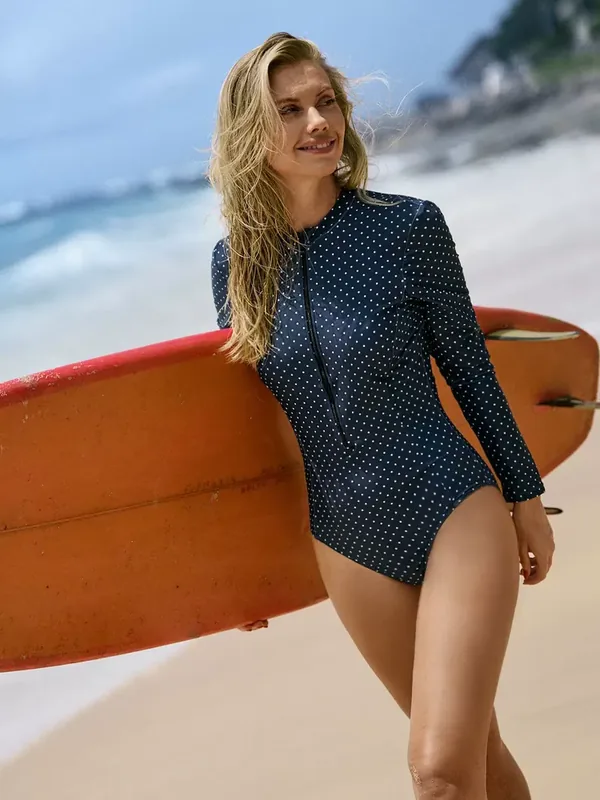
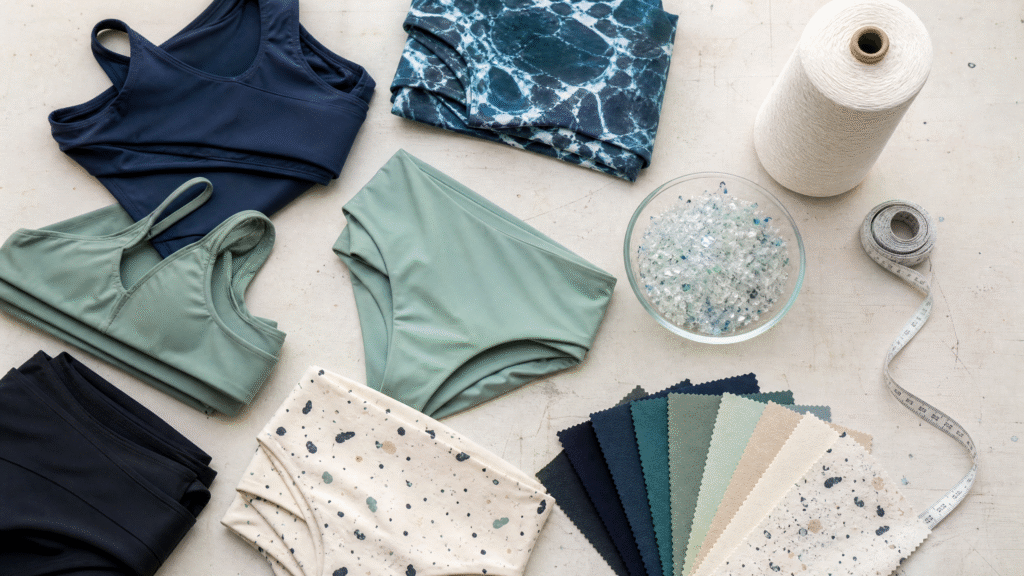
- The label sold T-shirts and hoodies first, then shifted to swimwear made from recycled materials, including polyester derived from discarded plastic bottles.
- It works with Tidey Ocean, a nonprofit that supports plastic collection and recycling and provides paid employment in communities affected by ocean pollution, according to its website.
- Each product sold is said to fund the collection and recycling of one pound of ocean-bound plastic. The brand says its efforts equate to more than 100,000 bottles.
- Production is on demand. Items are made when customers order, which the company says lets it operate without holding large amounts of stock.
Two caveats belong beside that list. The impact figures are company-reported and were not independently verified in the article. The reporting is also assembled from broadcast and tabloid interviews (Good Morning America, The US Sun) and carries a promotional, human-interest frame. Nowhere in it are fiber specifications, named certifications, unit costs, MOQs, lead times or supplier geography.
Recycled polyester is already a swim input. The open question is which grade
“Polyester derived from discarded plastic bottles” means rPET, and in swimwear that is a familiar raw-material route rather than an exotic one. Trouble shows up at the next level of detail. A swim knit is not a single fiber. It is a base fiber plus elastane for stretch and recovery, and the ratio, the yarn, the knit structure and the finishing together decide whether the fabric survives chlorine, sunlight and repeated laundering. The article tells the feedstock story and stops there. It does not say whether the suits are a polyester/elastane knit at all, what the recycled content percentage is, or who knits the fabric.
The differences between recycled routes are practical, not cosmetic. Hongxiu’s guide to sustainable swimwear fabric sourcing lays out how recycled polyester, regenerated nylon and bio-based options diverge on performance, cost and certification, three variables a bottle-count headline says nothing about. If you are weighing a switch in your own line, start from the fiber and the test plan, not from the feedstock narrative.
Construction choice is the other half of that decision. Hongxiu’s published swimwear fabric guide describes its polyester/spandex 85/15 at roughly 200 GSM as the print-friendly option, with better chlorine and sunlight resistance and typically a lower price. Nylon/spandex 82/18 at the same weight is softer in hand and used for solids rather than sublimation prints. Those trade-offs are what a sourcing team actually signs off on.
Made-to-order trades inventory risk for lead time and margin
Making product only after an order arrives removes the pre-season bulk buy and the write-down that follows a missed forecast. Bierman credits the on-demand approach, reinvested profit and customer feedback for growth without outside investment. For a small DTC brand, that logic is sound. No stock means no dead stock.
What it costs is straightforward. On-demand pushes the wait onto the customer and makes per-unit cost worse, because you give up the price breaks that come with volume. The closest operational parallel most brands can actually buy is swimwear dropshipping: no minimum order, single-piece picking and packing with your brand trims, stock confirmed before you list. It solves the inventory problem and leaves the margin and lead-time problems in place.
The stated plan to move into more retail stores sits awkwardly beside a pure on-demand model. Retail shelves need forward inventory in size curves, delivered on a calendar. The article gives no timeline, no channel names and no volume commitments, so treat the retail intention as an intention.
The one-pound offset is a marketing layer, not a material spec
The Tidey Ocean partnership, one pound of ocean-bound plastic collection funded per product sold, is a consumer-facing funding mechanism. It is legible and easy to explain, which is why it works at the point of sale. It also says nothing about what the garment is made of or how it performs.
Keep those claims separate in your own copy and in supplier conversations. “We fund collection of X plastic per unit sold” and “this garment contains Y% certified recycled content” are different statements with different evidence requirements. A donation mechanic does not substitute for recycled-content certification, and blurring the two is where brands get challenged.
What to verify before you copy the model
- Full fiber composition, including elastane percentage. The article does not provide it for Coastal Cool, and no swim brief spec is complete without it.
- Recycled-content certification tied to the specific batch, not to the supplier’s overall story.
- Performance data: chlorine resistance, UV and lightfastness, snag and pilling, stretch and recovery after cycling.
- Traceability from bottle or flake through yarn and knit to the finished garment, so the claim survives an audit.
Build the evidence before the story. Prototyping is cheap next to a relaunch: Hongxiu’s swimwear sampling runs $50 per style for up to two pieces, takes 7 to 14 working days, includes two revision rounds, and the fee is credited back once bulk of that style reaches 300 pieces. Test the fabric on a real body before you put a number on a landing page.
A realistic read on cost, MOQ and scale
Six-figure revenue is a small business. It shows that the model functions for one operator. It does not show scalable economics, and the article supplies no cost data to argue either way. The thresholds that usually decide whether a small brand can move to recycled fabric are minimums and lead times, and the factory end publishes those openly: private label from 50 pieces per style per colour, ODM from 100, OEM from 300, with bulk production at 28 to 35 days. On the fabric side, polyester prints carry no minimum, nylon prints start at 50 yards, and custom colours start at 600 yards.
Our case study on moving a growing brand to recycled fabric works through the same constraints in the order they usually bite: hand feel, cost, MOQ and sample rounds.
Where this leaves a sourcing team
Bottle-derived polyester and inventory-light production can coexist. This brand is a live example of that, at small scale and with unverified impact claims. The consumer-facing offset is a separate asset from the material claim: fund the collection if it fits your positioning, but certify the content separately. What the source gives you is a positioning idea, not a sourcing spec. The spec still has to come from your own fiber, test and traceability work.
Source: The Times of India, “Meet Holden Bierman, the 19-year-old Holly Springs, NC entrepreneur who started a beachwear brand at 12 with a $500 loan…” Published 15 October 2026. Impact figures and business scale are as reported by the company and were not independently verified.