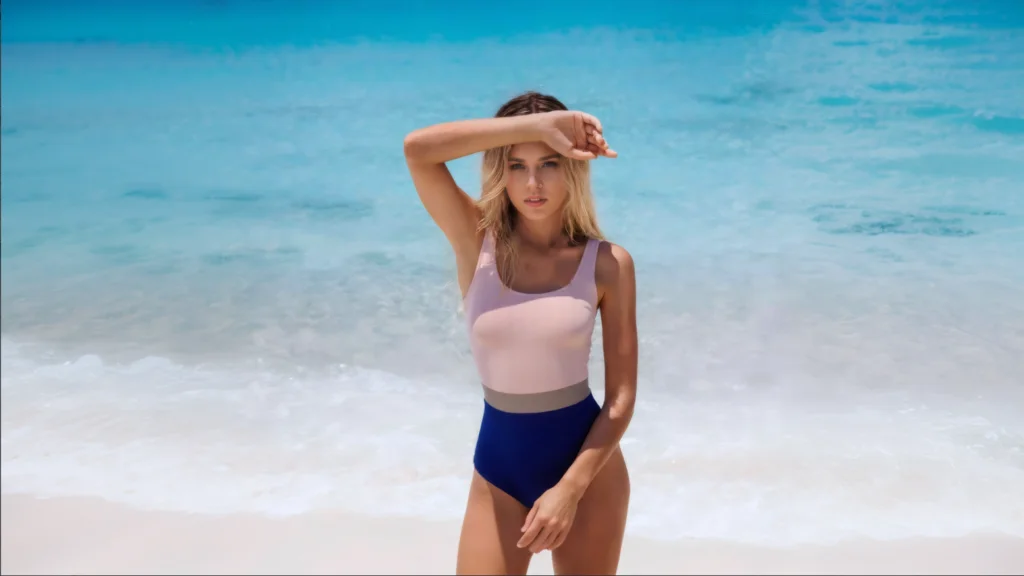
Sourcing swimwear from Econyl swimwear manufacturers requires a clear understanding of the material’s value proposition and the operational realities behind it. This guide provides a detailed analysis for brands and buyers, focusing on the tangible costs, production capabilities, and strategic advantages of partnering with a factory specializing in this premium recycled nylon, such as Hongxiu Clothing.
The Technical and Commercial Case for Econyl in Swimwear
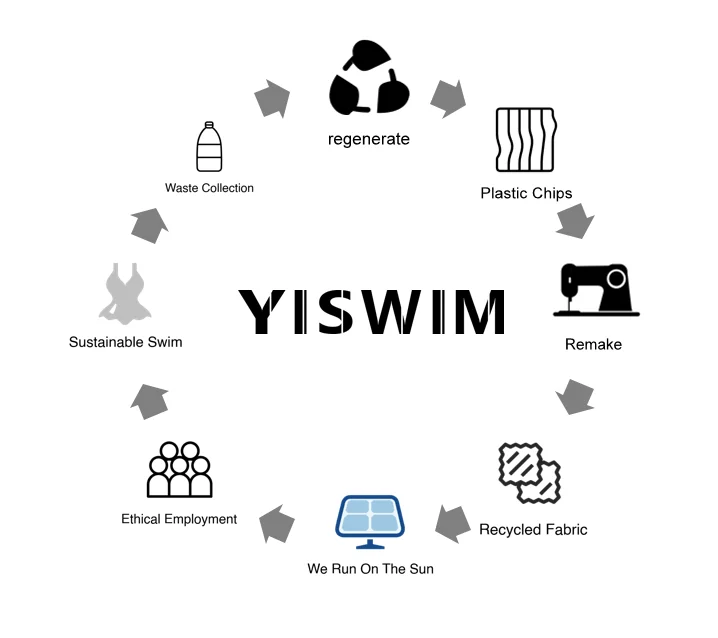
Econyl® regenerated nylon is engineered for performance, not just sustainability. Its production involves chemically depolymerizing nylon waste—discarded fishing nets, fabric scraps, industrial plastic—and re-polymerizing it into a yarn that matches virgin nylon in quality. For a swimwear brand, this translates into specific, marketable benefits that justify the investment.
The material delivers the essential technical properties required for swimwear: high elasticity for fit, excellent chlorine and saltwater resistance for durability, and superior colorfastness. There is no performance compromise. From a commercial standpoint, using Econyl directly supports brand narratives around ocean conservation and circularity. The traceable supply chain from Aquafil provides verifiable data on waste diversion, which is critical for consumer-facing communication and achieving certifications like the Global Recycled Standard (GRS).

Analyzing the Full Cost Structure of Econyl Production
The most visible cost difference when working with an Econyl swimwear factory is the fabric premium, typically 20% to 40% above standard virgin nylon. This reflects the investment in advanced chemical recycling and global waste collection networks. However, a professional cost analysis must look beyond the bill of materials (BOM).
A manufacturer committed to a holistic sustainable model incurs additional operational investments that impact the final unit cost. These are not inefficiencies but value-adding processes that reduce the product’s overall environmental footprint. Key investments include:
- Renewable Energy Infrastructure: Factories utilizing solar power or other renewables to offset grid consumption lower the carbon footprint of the manufacturing process itself.
- Digital Printing Systems: Compared to traditional methods, digital printing directly onto fabric can reduce water usage by over 80% and minimize chemical runoff, but requires significant capital investment in machinery.
- Waste Management and Recycling: Implementing closed-loop systems for fabric scraps and production waste adds processing costs but moves the factory toward zero-waste goals.
- Ethical Labor Practices: Fair wages, safe working conditions, and employee well-being programs are integral to a credible sustainability profile and are factored into labor costs.
Therefore, the final price from a reputable Econyl swimsuit supplier encompasses both the premium raw material and the cost of these cleaner, more responsible production practices.
Key Capabilities to Vet in a Sustainable Swimwear Factory
Not all swimwear manufacturers have the expertise or setup to handle Econyl effectively. When evaluating a potential partner, assess these specific capabilities that go beyond basic sewing.
Material-Specific Technical Knowledge: Econyl, while high-performance, can behave slightly differently during cutting and sewing compared to other nylons or polyesters. The factory’s pattern makers and sample developers should have proven experience with its recovery and stretch properties to ensure consistent fit and minimize material waste from the first sample.
Certification Management and Traceability: Can the factory provide a clear chain of custody for the Econyl fabric? They should be adept at managing the documentation required for GRS or similar certifications, including transaction certificates (TCs) that verify the recycled content through each production stage. Ask for their audit history and certification status.
Investment in Complementary Sustainable Processes: Look for evidence of a systemic approach. Does the factory use recycled or biodegradable packaging? Do they have water treatment systems? A partner whose entire operation aligns with the ethos of the fabric adds more credibility to your brand story.
Quality Control for Durability: Sustainable swimwear must also be long-lasting. Inquire about their QC protocols for stress points, seam integrity (especially for bonded or ultrasonic seams), and colorfastness testing. A good factory will have defined testing procedures for chlorine and UV resistance.

Strategic Sourcing: From Initial Inquiry to Production Run
Engaging with an Econyl manufacturer requires a structured approach to ensure clarity and efficiency. Follow these practical steps to streamline your sourcing process.
1. Provide Detailed Technical Packets: Your initial inquiry should include comprehensive tech packs with precise measurements, graded specs, fabric composition details (specifying 100% Econyl or the exact blend), and trims requirements (recycled polyester lining, eco-friendly elastics). Clear communication from the start reduces sampling iterations.
2. Request a Transparent Cost Breakdown: Ask for a quotation that itemizes costs: fabric (with mill source), labor, trims, printing/dyeing, packaging, and certification fees. This breakdown helps you understand where your money is going and identify potential areas for value engineering without compromising sustainability.
3. Prioritize the Development Sample: The first sample is critical. Use it to evaluate not just the design, but the factory’s skill in handling the material. Check the feel, recovery, and seam quality meticulously. Provide detailed feedback. A capable manufacturer will perfect the sample before moving to pre-production.
4. Establish Clear Quality Assurance (QA) Protocols: Before bulk production, agree on AQL (Acceptable Quality Level) standards, inspection points, and who is responsible for inline and final inspections. Define tolerance levels for measurements and color matching.
5. Plan for Logistics and Packaging: Discuss lead times that account for fabric sourcing (Econyl may have specific mill lead times) and sustainable packaging options. Factor this into your overall timeline to avoid rushed air shipments, which increase carbon emissions.
Navigating Market Challenges and Building Brand Equity
Sourcing sustainable swimwear places your brand in a competitive yet growing segment. The primary challenge is the higher price point compared to fast-fashion alternatives. Your strategy must articulate the value clearly to wholesale buyers and end consumers.
Focus on educating your market. Use the traceability of Econyl to tell a specific story—e.g., “This collection diverts X kilograms of ocean plastic.” Highlight the durability and performance to frame the purchase as a long-term investment, not a disposable item. Partner with a manufacturer who can provide high-quality imagery and data about the production process to support your marketing.
Another challenge is greenwashing skepticism. Transparency is your strongest tool. Work with a factory that is open about its practices, willing to share audit reports, and can provide the documentation that proves your claims. This builds lasting trust and differentiates your brand in a crowded market.
Finally, view your manufacturer as a strategic partner in innovation. Discuss future possibilities, such as developing new blends, exploring other recycled materials, or implementing even more efficient production techniques. A forward-thinking factory like Hongxiu Clothing can help you stay ahead of trends and regulations, future-proofing your supply chain.
Material Selection and Development for Econyl Lines
Success with Econyl begins with informed fabric and trim choices. While Econyl yarn is the star, its application in swimwear involves several technical decisions that impact cost, feel, and performance.
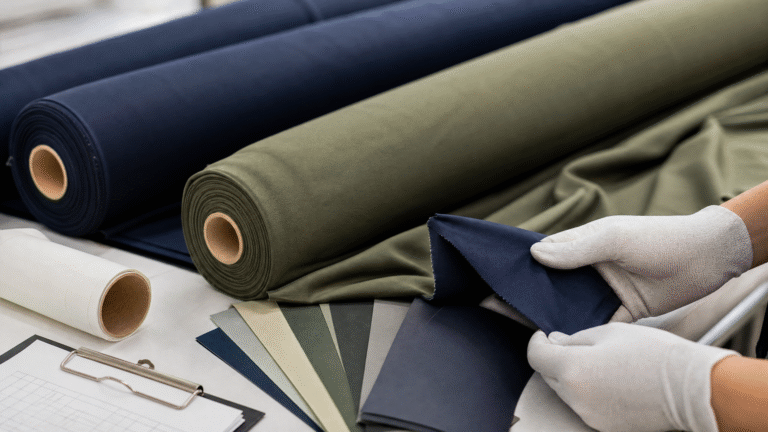
Fabric Construction and Weight: Econyl is supplied to mills to be knitted or woven into fabric. Discuss with your manufacturer the ideal construction for your designs. A heavier, double-knit fabric may offer more compression and opacity for one-pieces, while a lighter, single-knit might be better for minimalist bikinis. The factory should guide you on the standard weights (e.g., 180gsm, 220gsm) they work with and their drape and recovery characteristics.
Blends vs. 100% Econyl: Fabrics are often a blend of Econyl and elastane (like Lycra®). The percentage of elastane (typically 15-22%) determines the stretch and recovery. Using 100% recycled elastane (where available) further enhances the sustainability profile. Your manufacturer can source these specific blends and advise on performance.
Dyeing and Printing Considerations: Econyl takes dye beautifully, but the method matters. Solution dyeing (where color is added to the polymer melt) is extremely colorfast but has higher minimum order quantities. Piece dyeing is more flexible for smaller batches. For prints, digital printing is the most eco-friendly option, as noted. Ensure your factory has the capability to print on recycled nylon without compromising fabric hand feel or elasticity.
Eco-Friendly Trims Sourcing: The sustainability story is undermined by using virgin polyester lining or conventional elastics. A proficient manufacturer will have access to or can source:
- Recycled polyester mesh for lining.
- Elastics with recycled content or certified Oeko-Tex® standards.
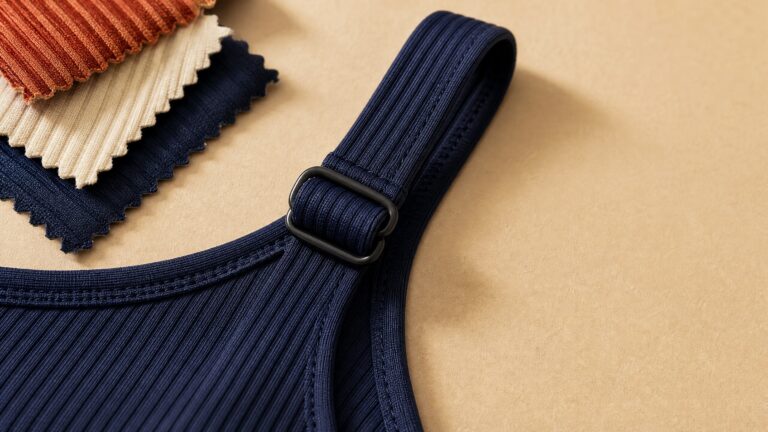
- Hardware like rings and sliders made from recycled metals or non-toxic coatings.
- Care labels made from recycled materials.
Coordinating the sourcing of all these components through your factory simplifies logistics and ensures consistency in your product’s eco-credentials.
Partnering with a specialized Econyl swimwear manufacturer is a strategic decision that affects your product quality, brand narrative, and supply chain resilience. It requires evaluating both the tangible costs of premium materials and the intrinsic value of ethical, transparent production. By focusing on technical capabilities, full cost transparency, and a collaborative development process, you can build a swimwear line that performs in the water and stands out in the marketplace. For a detailed consultation on developing your Econyl collection, contact our production team to discuss your project specifications and timelines.