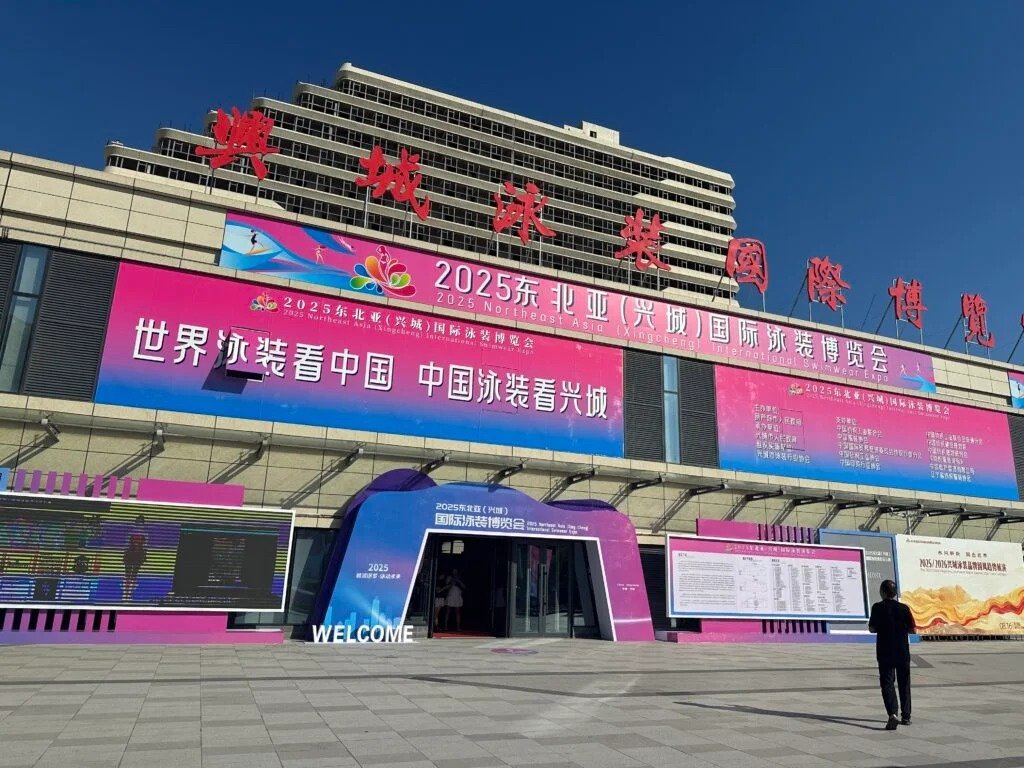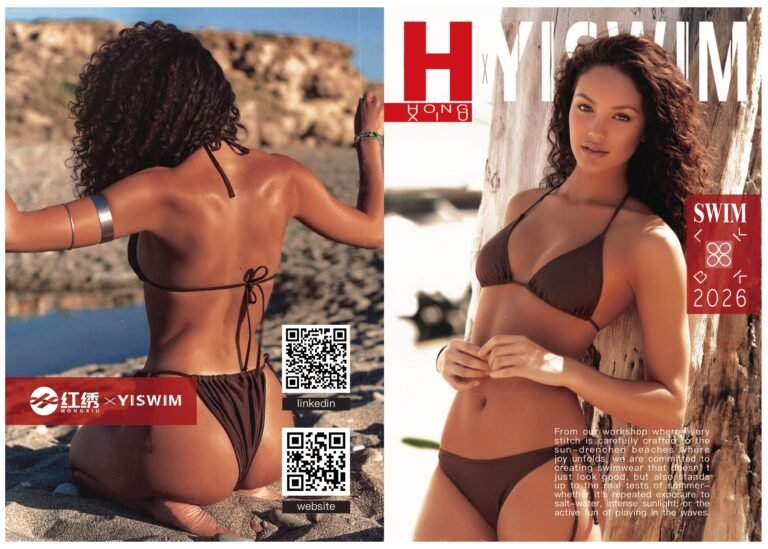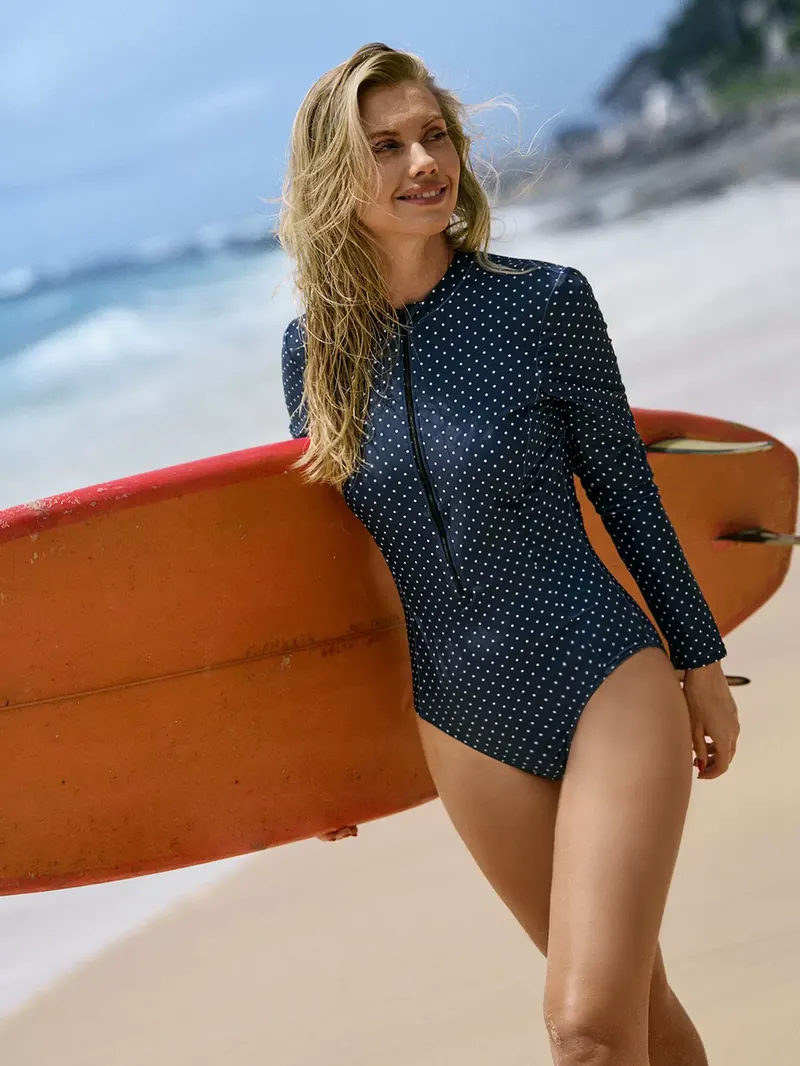

The 2025 Northeast Asia Xingcheng International Swimwear Expo is more than a regional trade show; it’s a critical barometer for the global swimwear supply chain. For B2B buyers, brands, and retailers, attending this event or understanding its outcomes provides direct insight into manufacturing capabilities, material innovations, and design directions emanating from one of the world’s premier production hubs. This analysis distills the key takeaways from the expo, focusing on practical intelligence for your next sourcing cycle.

Strategic Importance of the Xingcheng Expo for Global Buyers
Xingcheng, often called the “Swimwear Capital of China,” hosts an industry event that consolidates the entire supply chain. Unlike broader apparel fairs, this expo is specialized, allowing for deeper, more technical conversations with factories. The 2025 edition underscored several shifts relevant to procurement strategies.
First, the focus has moved decisively from pure cost negotiation to value partnership. Factories are presenting themselves as development partners, emphasizing their R&D in fabrics and construction techniques. This means buyers can now source not just finished garments, but also co-develop exclusive materials and fits with manufacturers on-site.
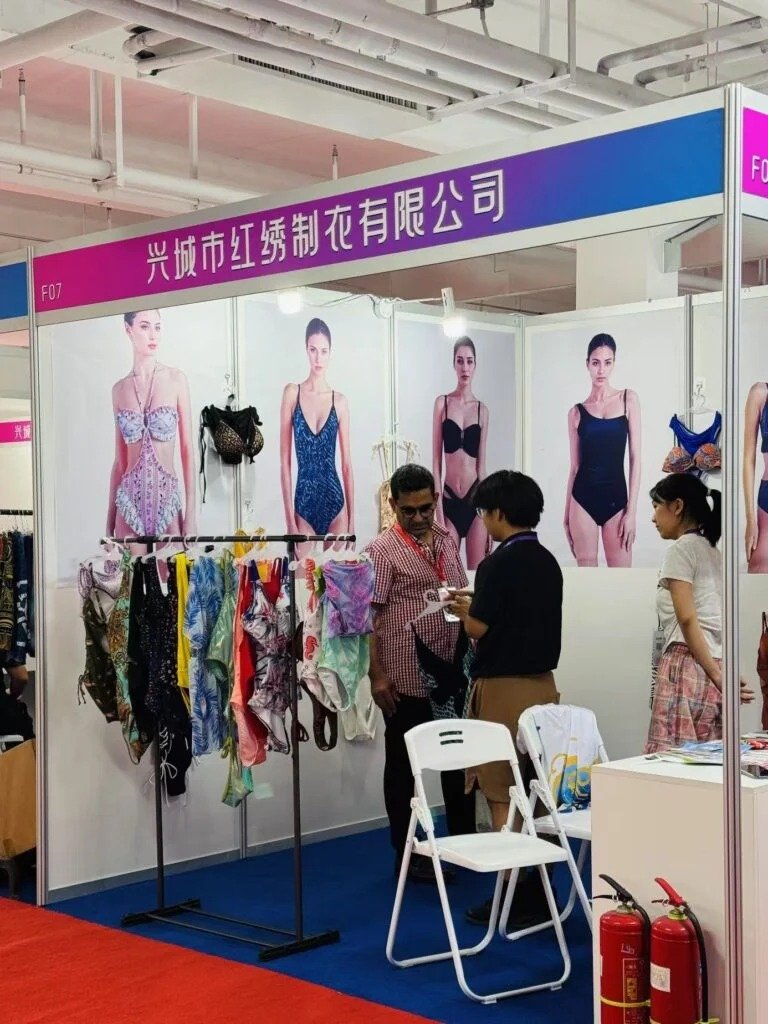
Second, the minimum order quantity (MOQ) landscape is diversifying. While large-scale producers still dominate, a growing segment of exhibitors—like our own Hongxiu Clothing—cater to small and medium-sized brands with more flexible MOQs, often starting between 300-500 pieces per style. This is a direct response to the demand for faster, more responsive collections.
Finally, the expo serves as a live audit. You can assess a factory’s professionalism, design sensibility, and operational transparency by the organization of their booth, the quality of their samples, and the expertise of their staff. It’s an efficient way to shortlist potential suppliers before committing to factory visits.
Dominant Swimwear Trends and Material Innovations for 2026/27
The product displays at the 2025 Northeast Asia Xingcheng International Swimwear Expo clearly forecast the commercial directions for the coming seasons. Buyers should plan their lines around these key trends.
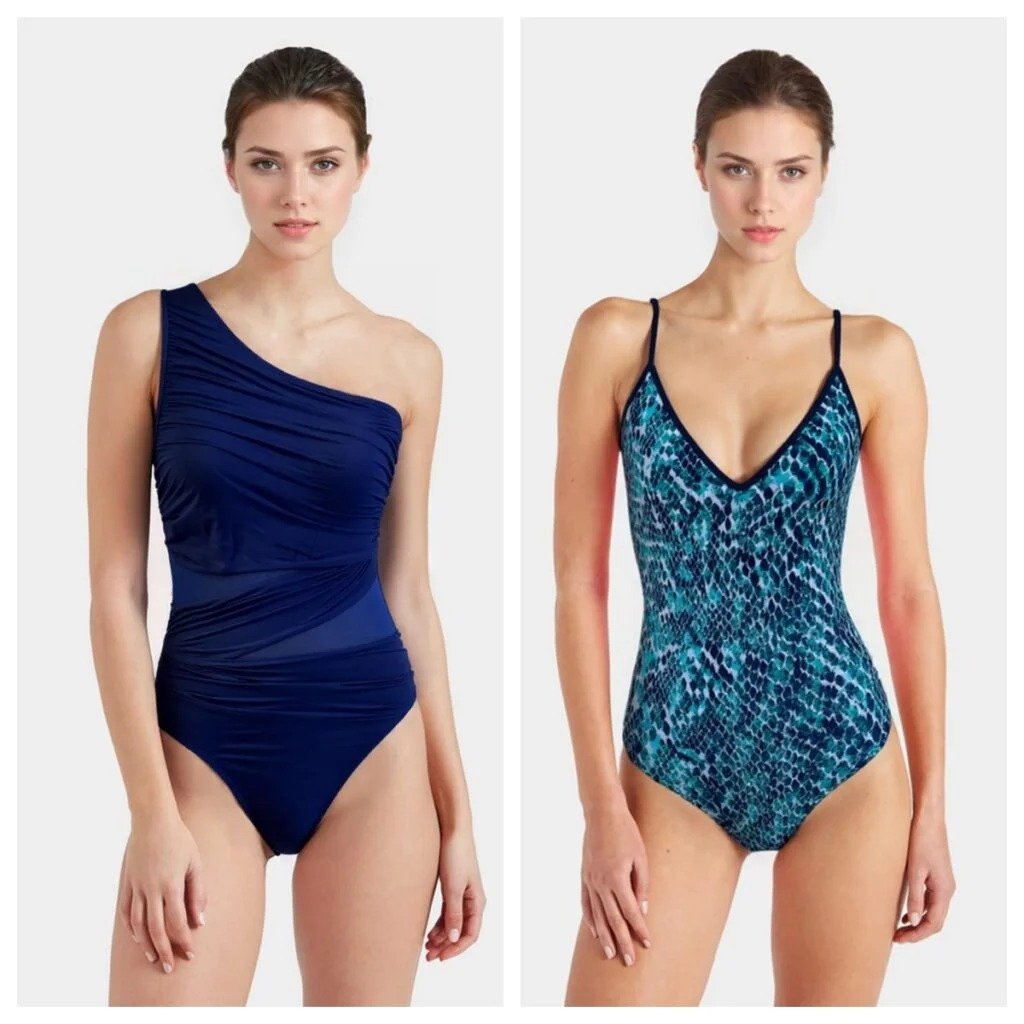
- Sophisticated Minimalism: Clean lines, architectural cuts, and mono-color palettes (navy, black, teal) remain strong, but with added detail. Look for strategic ruching, asymmetric single-straps, and bonded seams that replace traditional stitching for a sleeker look.
- Elevated Animal Prints: Moving beyond leopard spots, prints featured refined serpentine scales, abstract zebra stripes, and digitally manipulated organic patterns. These are often executed in high-quality recycled polyesters with a luxurious matte or subtle sheen finish.
- Body-Inclusive Engineering: The conversation has shifted from “plus-size” to engineered fit across a size run. Features like internal corsetry, wider adjustable straps, and power-mesh lining in targeted panels were prominently showcased, emphasizing support without sacrificing style.
Material innovation was a central theme. The most discussed fabrics included:
- ECONYL® & Recycled Blends: Nearly every serious manufacturer now offers swimwear made from regenerated nylon. The focus at this expo was on blending it with other fibers like elastane or LYCRA® EcoMade to enhance recovery and longevity.
- Quick-Dry Technological Fabrics: Fabrics with enhanced capillary action that wick moisture away from the body faster were demonstrated, targeting the active swim and resortwear markets.
- UV-Protective Finishes: UPF 50+ is becoming a standard expectation, not a premium add-on. Many factories are building this protection into the yarn during extrusion rather than applying a topical coating, which lasts the lifetime of the garment.

Evaluating Manufacturer Capabilities Beyond the Sample Rack
An effective booth visit goes beyond admiring finished samples. The 2025 Xingcheng International Swimwear Expo was the perfect setting to drill down into a factory’s true capabilities. Here are the technical questions that yield the most insight.
1. In-House vs. Outsourced Processes: Ask specifically about which stages are controlled in-house. Top-tier manufacturers manage fabric sourcing, pattern grading, cutting, sewing, and quality control under one roof. This ensures consistency and shorter lead times. Be wary of suppliers who outsource critical steps like printing or dyeing without stringent oversight.
2. Sample Development Process: Inquire about their process for developing a first sample from your tech pack. Do they have a dedicated sample room? What is the typical timeline and cost? A factory that invests in a skilled sample team is set up for accurate bulk production.
3. Quality Control Protocols: Request specifics. Do they perform inline checks during sewing? What is their final inspection AQL (Acceptable Quality Level) standard? Reputable factories follow AQL 2.5 for critical defects. They should be able to provide you with their QC checklist.
4. Compliance and Certifications: For Western markets, verify certifications like OEKO-TEX Standard 100, GOTS (for any organic components), or specific brand compliance programs. Factories that are audit-ready save you significant time and risk.
5. Logistics and Communication: Assess their export experience. Do they handle documentation? What shipping terms are they familiar with (FOB, EXW, etc.)? Also, gauge the English proficiency and responsiveness of the account managers you meet. Clear communication is as crucial as technical skill.
From Expo Contact to Production Partner: A Practical Roadmap
Meeting a potential supplier at the 2025 Northeast Asia Xingcheng International Swimwear Expo is just the first step. Transforming that contact into a reliable production partner requires a structured approach.
Post-Expo Follow-Up: Within a week of the event, send a targeted email referencing your conversation. Attach a basic tech pack for a simple item you intend to source. This tests their responsiveness and ability to understand your documentation. Ask for a formal quotation based on that pack.
The Trial Order: Never commit to a large order first. Place a trial order for 300-500 units of one style. This order tests everything: fabric sourcing accuracy, sewing quality, adherence to timeline, packaging, and shipping. Pay close attention to how they handle any issues that arise.
Factory Audit (Virtual or In-Person): If the trial order is successful, schedule a deeper audit. Many factories now offer detailed virtual tours. You want to see the production floor, fabric warehouse, and QC area. Discuss their capacity and current lead times to ensure they can handle your projected volumes.
Establishing Clear Terms: Before scaling up, formalize the relationship with a clear manufacturing agreement. This should cover payment terms (typically 30% deposit, 70% before shipment), delivery schedules, quality standards, protocol for changes, and liability for delays or defects.

Cost Structure Breakdown and Negotiation Levers
Understanding the true cost drivers in swimwear manufacturing allows for smarter negotiations. The expo is an ideal place to gather current market data. A typical FOB price breaks down roughly as follows:
- Fabric (50-65%): The largest variable. Custom prints, high-end Italian lycra, or specialized recycled fabrics increase cost significantly. Discuss fabric options with your supplier—sometimes a similar alternative from their existing mill network can save 15-20%.
- Labor & Production (20-30%): Covers cutting, sewing, and trimming. Complex constructions (e.g., underwire cups, multiple panels) increase labor time. Factories in Xingcheng have highly skilled labor, but efficiency varies.
- Trims & Findings (5-10%): Includes hooks, rings, zippers, labels, and padding. Standardizing on trims the factory already sources in bulk can reduce cost.
- Overhead & Profit (10-15%): The factory’s margin.
Effective negotiation focuses on levers within these categories:
- Fabric MOQ: Can you use a fabric the factory is already ordering for another client? This dramatically reduces your fabric cost.
- Order Volume & Style Consolidation: Increasing order size per style and reducing the total number of unique styles lowers pattern and setup costs.
- Payment Terms: Offering a faster payment cycle (e.g., 50% deposit, 50% against copy of Bill of Lading) can sometimes secure a better unit price.
Avoid pushing for a price below a factory’s sustainable threshold; it often leads to quality compromises or order delays.
Navigating Logistics and Lead Times in the Current Climate
The post-expo discussions revealed that lead times and logistics remain dynamic. A realistic timeline from confirmed order to goods arriving at your port is currently 60-90 days for a standard order. This includes:
- Fabric Sourcing & Approval (10-15 days): Sending and approving lab dips, strike-offs, and fabric test reports.
- Sample Development & Approval (15-20 days): Creating and revising pre-production samples (PPS).
- Bulk Fabric Production (15-20 days): Once approved, the mill produces the bulk fabric.
- Cut, Make, & Trim (CMT) Production (20-25 days): The actual manufacturing process.
- Final QC, Packaging, and Shipping (10-15 days): Inspection, packing, and transport to port.
To mitigate risks:
- Book Production Slots Early: After a successful trial, discuss and tentatively book capacity for your next season.
- Factor in Buffer Time: Add a 2-3 week buffer to any quoted timeline for unforeseen delays.
- Clarify Shipping Responsibilities: Confirm who books freight and handles customs clearance. Most factories operate on FOB terms, meaning you control the main freight leg, which gives you more flexibility and often lower costs.
Leveraging Expo Insights for Your Brand’s Competitive Edge
The ultimate value of an event like the 2025 Xingcheng International Swimwear Expo lies in applying its insights to your specific business. For a brand or retailer, this means aligning your sourcing strategy with the observed trends and capabilities.
If you saw a strong trend toward sophisticated one-pieces, consider developing a capsule collection with a factory that excelled in that category. Use the material innovations—like the new quick-dry blends—as a unique selling proposition for your performance line. The expo also highlights which factories are investing in sustainable practices; partnering with them can strengthen your brand’s ESG story.
For buyers who could not attend, this analysis provides a filtered view of the supply chain’s direction. The key is to engage with suppliers who demonstrated a balance of design flair, technical rigor, and operational transparency at the event. Start a conversation by referencing the expo and asking for their perspective on the trends and innovations showcased there. It immediately grounds your discussion in the current market reality and separates serious partners from mere traders.
The swimwear industry’s center of gravity in Xingcheng was on full display at this expo. The manufacturers there are not waiting for trends; they are actively shaping them through material science and precision engineering. Your sourcing decisions should reflect that shift from passive procurement to active co-development.