How to Reduce Swimwear Import Costs by Buying Direct from China
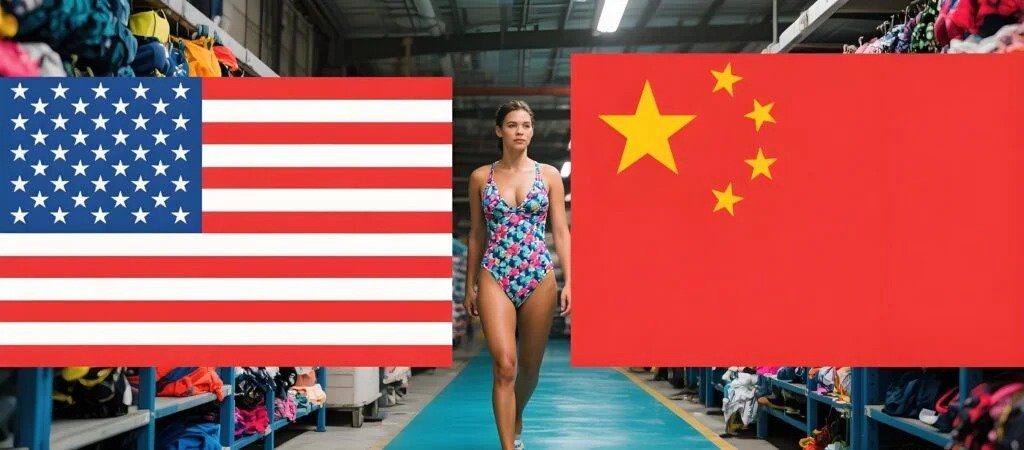
For swimwear brands and retailers, import cost is not only the factory unit price. The real number is landed cost: product cost, freight, duties, payment fees, inspection, packaging and the margin added by every intermediary in the sourcing chain.
Buying directly from a China swimwear factory can reduce cost when it gives the buyer better price transparency, clearer communication and more control over fabric, trims, sampling and production planning. This article explains where the savings usually come from and what buyers should check before moving to a direct sourcing model.
Start With Landed Cost
A factory quote is only one part of the cost model. To compare sourcing options properly, calculate landed cost for each route.
Landed cost = factory price + freight + duties + payment fees + inspection + packaging adjustments + handling costs
If you compare only the quoted unit price, you may miss hidden markups, communication delays, rework costs or material substitutions that affect the real margin.
Where Direct Factory Sourcing Can Reduce Cost
- Less intermediary markup: the buyer can negotiate closer to the production cost structure.
- Clearer material choices: fabric, trims and packaging can be discussed directly with the production team.
- Faster technical clarification: fewer communication layers can reduce sample mistakes and rework.
- Better MOQ planning: the factory can explain which costs come from fabric, color, trims or style complexity.
- More transparent production timing: buyers can understand when sampling, cutting, sewing and inspection will happen.
Tariffs and Duties Still Need Real Planning
Direct sourcing does not remove duties or customs obligations. Buyers still need to classify products correctly, understand destination-market rules and work with qualified freight or customs partners. The advantage of direct sourcing is that the cost base can become more transparent and easier to manage.
When building your price model, connect the supplier quote to freight, duties and sales margin using a full swimwear pricing strategy. This avoids setting retail or wholesale prices from an incomplete cost number.
Direct Sourcing Works Best With Clear Product Information
A direct factory relationship is only efficient when the buyer can provide clear information. For custom designs, this means sketches, measurements, fabric direction, print details, lining, pads, trims, labels and packaging. For private label projects, it means knowing which existing styles you want to test and what branding details must be customized.
If the project is custom, prepare a swimwear tech pack before requesting a firm quote. If the project is a startup launch, review the guide to sourcing swimwear in China to organize the first supplier conversation.
What to Check Before Choosing a Direct Factory
- Does the factory understand your target market and compliance needs?
- Can they explain fabric, trim, printing and packaging options clearly?
- Do they have a sampling process that supports revisions before bulk production?
- Can they show how quality is checked during production, not only at the end?
- Are MOQ, lead time, payment terms and included services clearly stated?
The full checklist in how to evaluate swimwear manufacturers can help you compare direct factories before committing to a larger order.
When Direct Sourcing May Not Be the Right Move
Direct sourcing is not automatically better for every buyer. If a brand has no product brief, no internal production knowledge and no time to manage details, an experienced sourcing partner may still add value. Direct factory sourcing works best when the buyer is ready to communicate clearly and make decisions on materials, samples and approvals.
A Practical Cost-Control Path
- Define the production model: private label, ODM or custom.
- Prepare product details before asking for a final quote.
- Compare landed cost, not only factory price.
- Review supplier capability and QC before bulk production.
- Use the first order to validate fit, demand and reorder potential.
Direct sourcing from China can reduce swimwear import costs, but the strongest result comes from a structured process: clear product information, capable supplier selection, realistic MOQ planning and full landed-cost pricing.