
Swimsuit Bra Pads Guide: Removable vs Non-Removable Pads
Swimsuit bra pads are small components, but they have a large effect on fit, comfort, support, appearance, and customer feedback. For brands and buyers, pad choice should be made during product development, not treated as a last-minute accessory.
This guide compares removable and non-removable swimsuit bra pads from a production perspective. It explains how pad choice affects fabric, lining, pattern design, sampling, cost, MOQ, and bulk quality control.
Why Bra Pads Matter in Swimwear
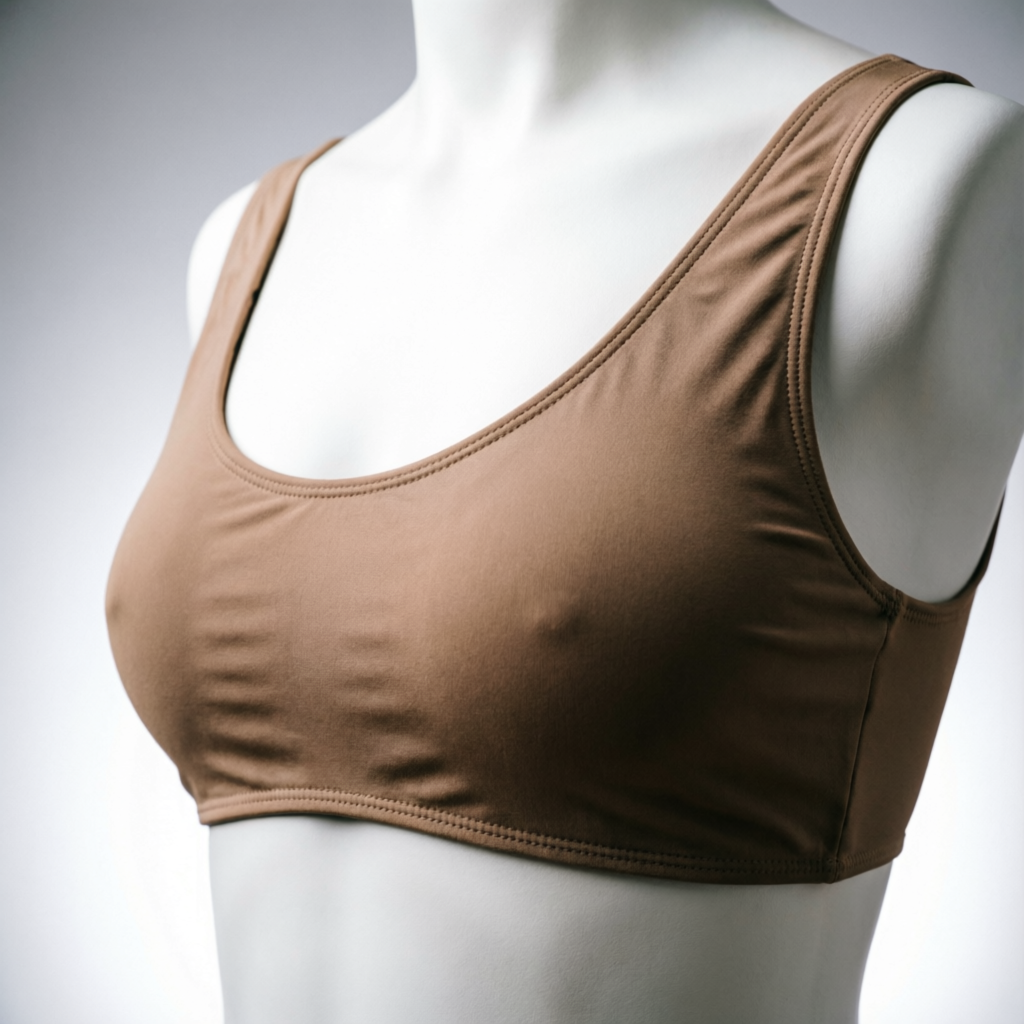
Bra pads influence coverage, shape, modesty, bust support, and perceived quality. A swimsuit can use premium fabric and clean stitching, but if the pads shift, wrinkle, absorb water poorly, or create an uneven shape, the final customer experience suffers.
Pad decisions should be connected with the full swimwear manufacturing process. The pattern, lining, cup pocket, stitching, and fabric stretch all need to work with the selected pad type.
Removable Bra Pads
Removable pads are inserted through an opening in the lining or cup pocket. They are common in bikinis, sports-inspired swimwear, and private label collections because they are flexible, cost-efficient, and easier to standardize across styles.
- Advantages: lower development cost, easier size flexibility, easier replacement, and simpler bulk sourcing.
- Challenges: pads can shift, fold, or be lost after washing if the pocket design is poor.
- Best for: startup collections, private label swimwear, sports swimwear, and styles where buyer flexibility matters.
Non-Removable Bra Pads
Non-removable pads are fixed into the garment. They may be sewn, laminated, molded, or integrated into the cup structure. This option can create a cleaner and more stable shape, but it requires more careful pattern development and production control.
- Advantages: stable position, cleaner appearance, better shaping potential, and fewer customer issues with lost pads.
- Challenges: higher development complexity, more difficult adjustment, and greater risk if the cup shape is wrong.
- Best for: premium one-piece swimsuits, structured bikini tops, molded cup styles, and designs requiring consistent shaping.
Custom Mold vs Standard Pad Shapes
Standard pad shapes are easier to source and usually better for small to medium production runs. Custom molded pads can improve brand differentiation and fit, but they may require mold development, longer lead time, higher MOQ, and more sampling rounds.
Before choosing custom pads, brands should confirm whether the expected sales volume justifies the extra development cost. If you are still comparing launch models, review the private label vs custom swimwear cost guide.
Pad Material and Water Performance
Swimwear pads must handle water, compression, drying, and repeated use. Buyers should evaluate thickness, softness, recovery, water absorption, drying speed, and whether the pad keeps a smooth shape inside the garment.
Pad performance also depends on the shell fabric and lining. A thin light-colored fabric may need better opacity and smoother pad edges. A compression style may require stronger support. See the swimwear fabric selection guide when matching pads with material choices.
Design Details That Prevent Pad Problems
- Use a cup pocket opening that is easy to access but does not expose the pad during wear.
- Match pad size with garment size and bust coverage.
- Avoid sharp pad edges that show through thin fabric.
- Check whether pads fold after washing or packing.
- Review pad position on real fitting, not only flat samples.
- Record pad type and supplier reference in the tech pack.
Your swimwear tech pack should state whether pads are removable or fixed, pad shape, size, thickness, color, material, cup pocket construction, opening position, and any special support requirements.