
Sustainable Swimwear Fabric Sourcing: Recycled, Regenerated & Bio-Based Materials
What actually counts as a sustainable swimwear fabric?
Not every fabric called eco-friendly holds up in water, chlorine, and sunlight. For swimwear, sustainability has to work alongside performance. Most responsible swim fabrics fall into these groups:

- Recycled polyester (rPET) – Made from post-consumer plastic bottles or textile waste. It is the most common sustainable option and often priced close to conventional polyester.
- Regenerated nylon (ECONYL®, REPREVE® and similar) – Created from discarded fishing nets, fabric scraps, and industrial plastic. It offers a softer handfeel and better stretch recovery than standard recycled polyester.
- Bio-based alternatives – Fabrics like PLA (polylactic acid) from corn starch, or blends with natural fibers. These are less established in swimwear and may lack sufficient stretch or durability without careful engineering.
Each material type brings specific sourcing considerations: supply chain transparency, dyeing processes, and end-of-life options. It pays to check these before ordering sample yardage.
Recycled polyester: the workhorse option
Recycled polyester swimwear fabric is widely available and generally consistent in quality. Most mills offer rPET in a range of weights, from 180 GSM (for linings) to 250 GSM (for main body panels). Since it comes from PET bottles, the raw material is abundant, and the fabric cost is typically 10 to 20 percent higher than virgin polyester, a premium many brands can absorb.
Key advantages include excellent color fastness, high UV resistance, and decent chlorine durability. The main tradeoffs: rPET can feel slightly stiffer than virgin polyester, and some batches show pilling after extended use. To avoid these issues, ask your manufacturer for fabric with a brushed finish or a higher filament count.
Regenerated nylon: higher performance, higher cost
Regenerated nylon fabrics like ECONYL® have a smooth, cool hand and strong stretch recovery, so they feel more premium. This material can cost two to three times as much as recycled polyester, so it is mostly reserved for higher-end lines or brands targeting eco-conscious buyers with a higher price tolerance.
A practical issue: fewer certified mills handle regenerated nylon, so lead times run longer and minimum order quantities (MOQs) are often higher than for rPET. Always verify the mill’s certifications (for instance, OEKO-TEX Standard 100) and request a composition certificate to confirm the fabric content matches the label.
Bio-based fabrics: still finding their footing
A small but growing segment, bio-based swimwear fabrics are derived from renewable resources. Some use PLA fibers or cellulose-based yarns. While they are biodegradable under industrial conditions, they often lack the elasticity required for swimwear without synthetic blends. For now, these are mostly used in design-focused, lower-stretch styles or as part of a blend with spandex.
If you want to test them, order a small batch and run stretch, chlorine, and wash tests. Mills are still refining these materials, so expect some variability between production runs.
Certifications that matter in swimwear fabric sourcing
In B2B sourcing, certifications reduce your risk. Buyers commonly look for:
- Global Recycled Standard (GRS): Verifies the recycled content and ensures responsible production from the recycler to the final product.
- OEKO-TEX Standard 100: Ensures the fabric is free from harmful substances, which matters for skin-contact garments.
- Bluesign®: Covers the entire manufacturing process to reduce environmental impact, though it is less common for raw fabrics from some regions.
Ask your mill or supplier to provide valid certificates that cover the specific fabric lot you are buying. Avoid relying only on marketing claims.
Sustainability vs. durability: a practical checklist
Eco-friendly credentials matter, but a swimsuit that pills or fades after a few wears is not sustainable. Before committing to a fabric, run through this checklist:
- Stretch and recovery: Does the fabric return to shape after repeated wear? Request test reports.
- Chlorine resistance: Even recycled materials must withstand pool chemicals. Ask for accelerated aging data.
- Colorfastness to light and water: Check at least grade 4 on the blue scale.
- Pilling resistance: Test at 2,000 cycles or more.
- Moisture management: Quick-dry performance is critical for consumer satisfaction.
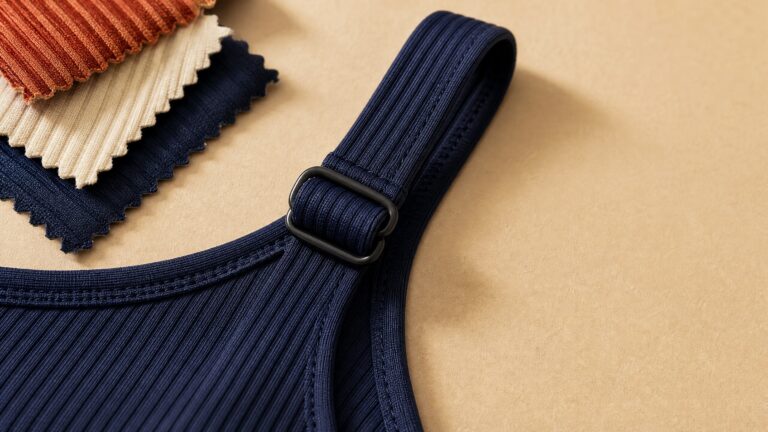
- Handfeel: Get a physical swatch before ordering. Online specs cannot replace touch.
Sourcing sustainable swimwear fabrics: three buyer paths
The table outlines three common paths depending on your business model.
| Sourcing Path | Typical MOQ | Best for | Watch out for |
|---|---|---|---|
| Standard recycled polyester from mill catalog | 500 to 1000 meters per color | Startups, private label brands with moderate volumes | Color consistency between batches |
| Certified regenerated nylon (ECONYL®) | 1000 to 3000 meters per color | Premium brands, collections with eco-positioning | Longer lead times, higher price per meter |
| Custom bio-based or experimental fabrics | Varies widely; often high | Lab-testing, capsule collections | Performance unpredictability, limited availability |
How Hongxiu supports sustainable swimwear production
Hongxiu works with mills that provide GRS-certified recycled polyester and OEKO-TEX-certified fabrics. For buyers unsure where to start, we can recommend a few tried-and-tested sustainable fabrics that work well with standard swimwear constructions. We also offer flexible private-label customization, so you can mix sustainable main fabric with your choice of lining, elastic, and branding details.
Our team supports you from sampling to bulk, helping avoid common issues such as poor chlorine performance or color mismatch. If you are considering options, send your target cost range and design brief, and we will share feedback from actual production experience.
Frequently asked questions
1. Is recycled polyester safe for sensitive skin?
Yes, when it carries OEKO-TEX certification. The fabric is chemically screened, and the certification confirms it is free from harmful levels of substances.
2. Can I blend recycled polyester with spandex for swimwear?
Absolutely. Most recycled polyester swimwear fabrics are blended with 15–20% elastane for stretch. This combination works well for performance swimwear.
3. Does regenerated nylon withstand UV exposure better than recycled polyester?
Regenerated nylon generally offers better UV resistance and retains its color longer, but it is more expensive. Your choice depends on the target retail price and brand positioning.
4. Are bio-based swimwear fabrics truly biodegradable?
Many require industrial composting facilities. Check the specific fiber type and certification. In a landfill or ocean, they behave like conventional synthetics.
5. How do I verify a supplier’s sustainability claims?
Ask for GRS transaction certificates covering the specific order, not just a generic company certificate. Also request lab test reports for the key performance criteria listed above.
Need help with sustainable swimwear fabrics? Contact us to discuss your collection, target costs, and performance needs. We will help you shortlist fabrics that work.