
Swimwear Size Grading: What to Check Before Bulk Production
A base-size sample can fit well while the rest of the size range quietly drifts off course. That is why approving one sample is not the same as approving the grading. Before bulk cutting, a brand needs to check how measurements and proportions change from one size to the next.
This review does not require the buyer to become a pattern maker. It does require a clear measurement chart, consistent points of measure, and enough evidence to see whether the smallest and largest intended sizes still match the design.
What a grade rule actually controls
A grade rule tells the pattern maker how each part of a style changes across the size range. Bust, waist, hip, torso length, rise, strap length, cup position, leg opening, and other measurements may all need different increments. The same increase cannot be applied blindly to every point.
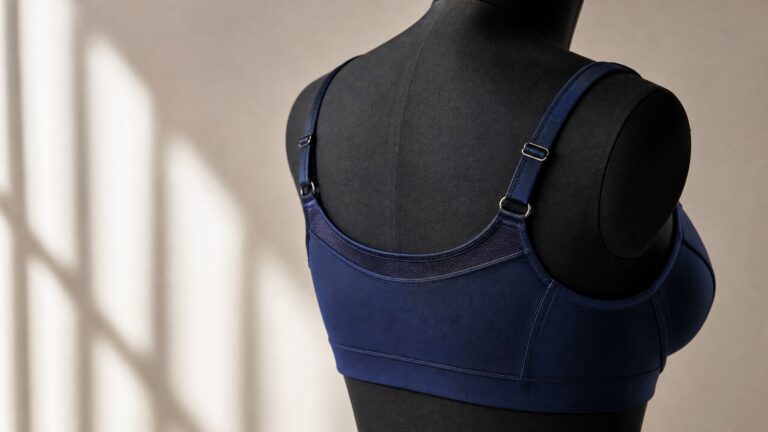
The rule also affects the shape of the garment. A larger bikini bottom may need more rise and coverage, not only extra width. A one-piece may need added torso length without moving the neckline or leg opening too far. On a supportive top, the cup, underbust, wing, strap, and hardware position need to keep working together.

Start with production measurements, not a retail size chart
A consumer size chart explains which body measurements should choose each labeled size. Production needs something different: flat-lay garment measurements taken at named points on the swimsuit. Hongxiu’s swimwear size guide shows the measurement points used for production and grading.
Each measurement name should have one repeatable method. If one person measures the waist along the edge and another measures it straight across, their numbers cannot be compared. State whether a curved edge follows the seam, whether elastic is relaxed or stretched, and whether a value represents the full circumference or a half measurement.
Put those points, grade increments, and tolerances into the swimwear tech pack. The approved document then gives the sample room and quality team the same reference. If a measurement changes during fitting, update the chart rather than leaving the correction in an email thread.
Review proportion, not just arithmetic
A spreadsheet can show that every planned increment was added correctly. It cannot tell you whether the result still looks and fits like the original design. Review the graded nest or size chart for sudden jumps, unchanged measurements that should move, and details that shift into the wrong position.
Pay close attention to fixed components. Rings, sliders, clasps, removable pads, and elastic widths may stay the same while the garment grows around them. That can be acceptable, but the surrounding pattern must still support the component. Print placement and panel seams also need a size-by-size review when their position is visually important.
Check a base size and the largest size
Hongxiu recommends checking two samples for a style moving toward bulk: one base size and one largest size. The base size confirms the main fit and construction. The largest size exposes grading problems that may remain invisible when only adjacent sizes are compared.
The swimwear sampling process allows buyers to review the garment before production. Treat the larger sample as a fit check, not a ceremonial size-set piece. Compare it with the approved chart, inspect coverage and support, and record every accepted correction.
Before cutting, confirm the grading again on the actual production run. Hongxiu’s quality control process recommends a pre-production check in the base size and largest size, followed by measurement checks during production and a final inspection before packing.
Measurements that deserve extra attention
- Torso length: A one-piece can feel short even when bust, waist, and hip widths are correct.
- Rise and coverage: Front rise, back rise, and seat coverage should grow in a way that preserves the intended silhouette.
- Leg opening: Width, curve, and elastic tension affect both comfort and how the edge sits on the body.
- Straps and cup position: Longer straps alone may not correct a cup or neckline that has moved out of place.
- Underbust and support: Review the relationship between stretch, elastic length, closure position, and the level of support expected from the style.
- Prints and panels: Engineered artwork, color blocking, and seam placement may need separate positioning for different sizes.
A practical approval checklist
- Confirm the final base-size sample and freeze its approved measurements.
- Review every size in the measurement chart for consistent, intentional increments.
- Check that each point of measure has an unambiguous measuring method.
- Measure and fit the base-size and largest-size samples against the same chart.
- Record corrections in the tech pack, including the revision date and approval status.
- Approve pre-production measurements before bulk cutting, then retain the approved sample and chart for inspection.
When the grading needs another round
Stop approval when the numbers pass but the fit changes character. Warning signs include straps moving too far apart, cups losing coverage, leg openings cutting in, a one-piece pulling vertically, or decorative details landing in a different visual position. These are pattern or proportion problems, not issues that a broad measurement tolerance should hide.
Keep the correction specific. Name the size, point of measure, current result, requested result, and any related shape concern. Then ask for the revised chart or sample to be checked against the same method. Clear comments are faster to act on than a general note that the fit feels wrong.
Move into bulk with one approved reference
The safest handoff is simple: one current tech pack, one approved measurement chart, and approved physical samples that match them. Production and inspection should refer to that set, not to scattered messages or an older sample.
If you are preparing a new size range, send Hongxiu your chart, tech pack, and intended size set. The team can review the measurement points and grading requirements before sampling and confirm how the sizes will be checked before bulk production.