
Decide who supplies the fabric before your swimwear order is quoted
A fabric problem on a swimwear order tends to surface late. Bulk lands, the shell reads a shade off the approved swatch, or the body measures short after the first wash. Then somebody asks who was supposed to catch that. The answer was set weeks earlier, in one line of the quote.
Either the factory buys the fabric or you do. Both are normal. They put the testing, the mill relationship, and the claim in different hands.
Two ways a swimwear order gets its fabric
Apparel sourcing usually calls these two models full package and cut, make, trim, or CMT. On a full package order the factory sources the shell, lining, elastics, and trims and delivers a finished garment. On a CMT order you supply the fabric and the factory cuts and sews it. Labels vary by supplier, and some factories offer a middle route where you nominate the mill and the factory places the order.
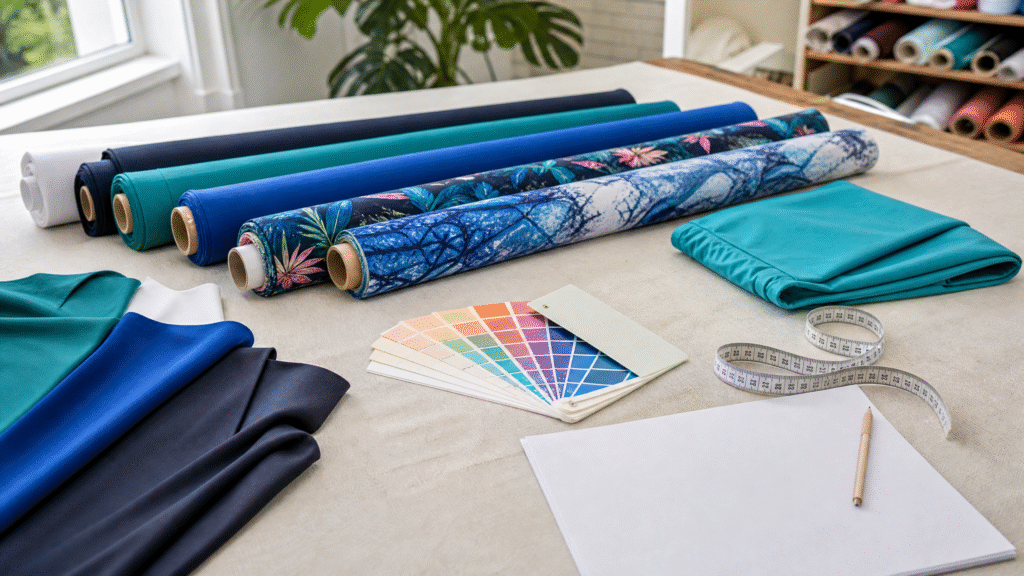
When the factory buys the fabric
The factory already holds mill accounts, so it can buy shell, lining, and trims in fewer orders. At low quantities that matters. A custom color can need 600 yards to run, and a factory already buying that quality can fold your order into a larger position. One party also stays responsible when a lining arrives in a different shade from the shell.
Visibility is thinner. Fabric is often bundled into a single piece price, so the mill, the dye lot, and the exact knit may stay out of view. If you asked for a specific quality, the factory may quote a close stock substitute. When certification supports your marketing, ask for the document tied to the lot you receive, not the mill’s general certificate. The swimwear fabric guide is a useful reference for the qualities worth writing into the spec.
When you buy or nominate the fabric
Buying or nominating the fabric yourself puts you on the mill order, or names the mill while the factory buys against your spec. Brands take this route when the fabric is the product: a compression knit stock suppliers cannot match, a recycled content story, or a print tied to a campaign.
The workload lands with you. You own dye lot continuity across reorders, the shrinkage and colorfastness results of the lot you bought, and the claim against the mill if rolls arrive off shade or short. The factory can check what you send against the agreed spec. It did not choose the lot, and it cannot fix a mill problem by re-cutting.
What the choice actually changes
Who tests the lot
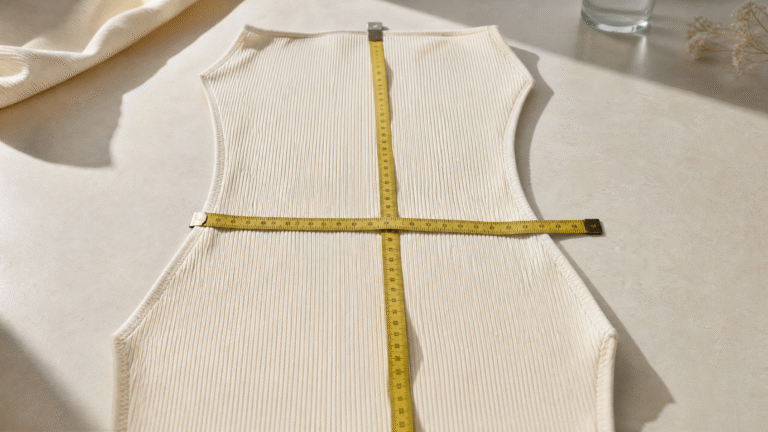
Fabric defects cost least to catch before the marker is laid out. If the factory sources the fabric, ask what it checks when rolls arrive and what happens when one fails. If you source it, the mill should send test reports and a retained sample. Agree in advance who pays for a lab test and who absorbs the delay if a lot is rejected, and read how to evaluate fabric quality before bulk production so the checks match your risk.
Who carries shade and shrinkage risk
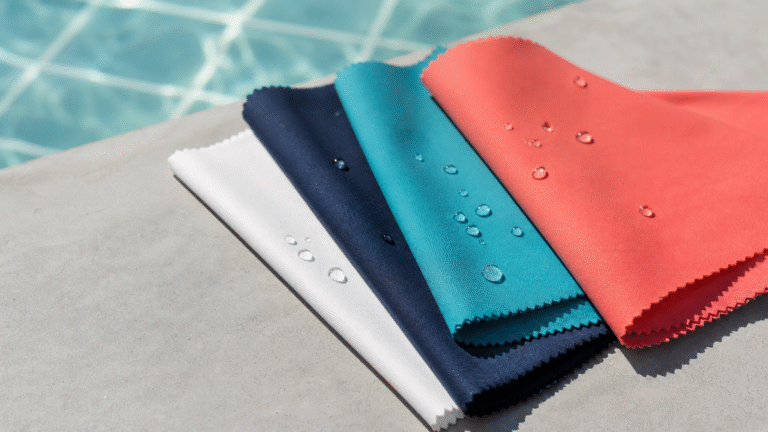
Custom color is a dye lot, and two lots of the same code can sit slightly apart. A buyer who supplies fabric often meets this on the second order, when a fresh lot lands beside stock from the first. Agree a shade tolerance and keep a sealed reference swatch at the factory. Shrinkage works the same way. The lot you send can behave differently from the sample, and the party that bought it usually owns the result.
Lead time and minimums
Buyer-supplied fabric adds a stage in front of production rather than beside it. Mill lead time comes first, then shipping to the factory, then an incoming check before cutting. A late landing can move the production slot. Weigh that against the minimums you avoid by buying through the factory, and remember that fabric consumption sets the yards you commit to, not just the piece count.
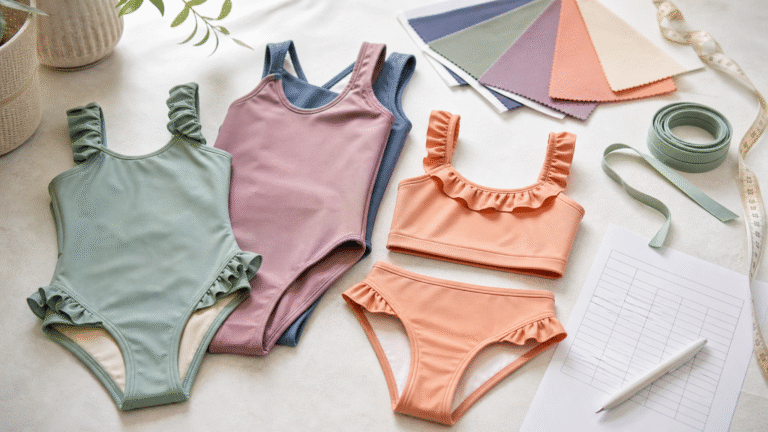
In Hongxiu’s sourcing service, custom colors start at 600 yards, polyester prints have no minimum, and nylon prints start at 50 yards. Trims have their own floors: hang tags at 200 pieces, poly bags at 500, labels at 200 per code, and hygiene liners at 1,000. Those numbers are manageable on a large program. On a small launch, they decide the route.
Traceability
A recycled or single-mill claim is easier to defend when you control the purchase. It is not impossible on a factory-sourced order, but you have to ask for the scope or transaction document attached to your lot. A general mill certificate rarely satisfies a retailer reviewing a specific delivery.
The points to settle before you ask for a quote
- Who places the mill order, and in whose name?
- Which sample is the shade and hand-feel reference, and where is the sealed swatch kept?
- What does incoming fabric inspection cover, and who pays for a lab test if a roll fails?
- Who absorbs the cost and the delay if a lot is rejected or lands late?
- Who owns leftover rolls and dye lot continuity on the next order?
- Does fabric lead time run before the production slot or alongside it?
Where this meets quality control
Fabric and quality control meet at the factory gate. A pre-production check in the base size and the largest size confirms grading before cutting starts. In-process checks follow measurements, stitching, fabric, and trims through the run. After production and before packing, a full final inspection works through the same points against the spec you agreed. The quality control process records each check and can be reported with photos. A defect is reworked and re-inspected, and the result is confirmed with photos before shipment.
If you supply the fabric, you may want to attend the incoming and pre-production checks. Factories can usually arrange a buyer visit, a third-party inspection, or a live video check with notice, so put it in the schedule rather than treating it as optional.
A practical default
Small and first-time programs are usually better off letting the factory buy the fabric. The mill relationship, the minimums, and most of the fabric risk stay in one place, and your attention stays on fit and finishing. Move to supplying or nominating fabric when the material is central to the product, when you already trust a mill, and when volumes are high enough to meet mill minimums on their own.
A nominated mill with the factory placing the order is a reasonable middle route. You get the exact fabric without owning the shipping and lot risk.
Ask before you commit
Hongxiu’s fabric and trims sourcing service works either way. Materials can be sourced with your order or supplied by you. Send the requirement and the team confirms feasibility, the search fee, and the timing. The search fee is $20 per style, results normally come back in three to five working days, and the fee is credited into the sample fee if the material moves to sampling. Sampling is $50 per style with two rounds of revisions, and bulk production runs 28 to 35 days from order confirmation. Every week the fabric question stays open is a week the schedule can move.