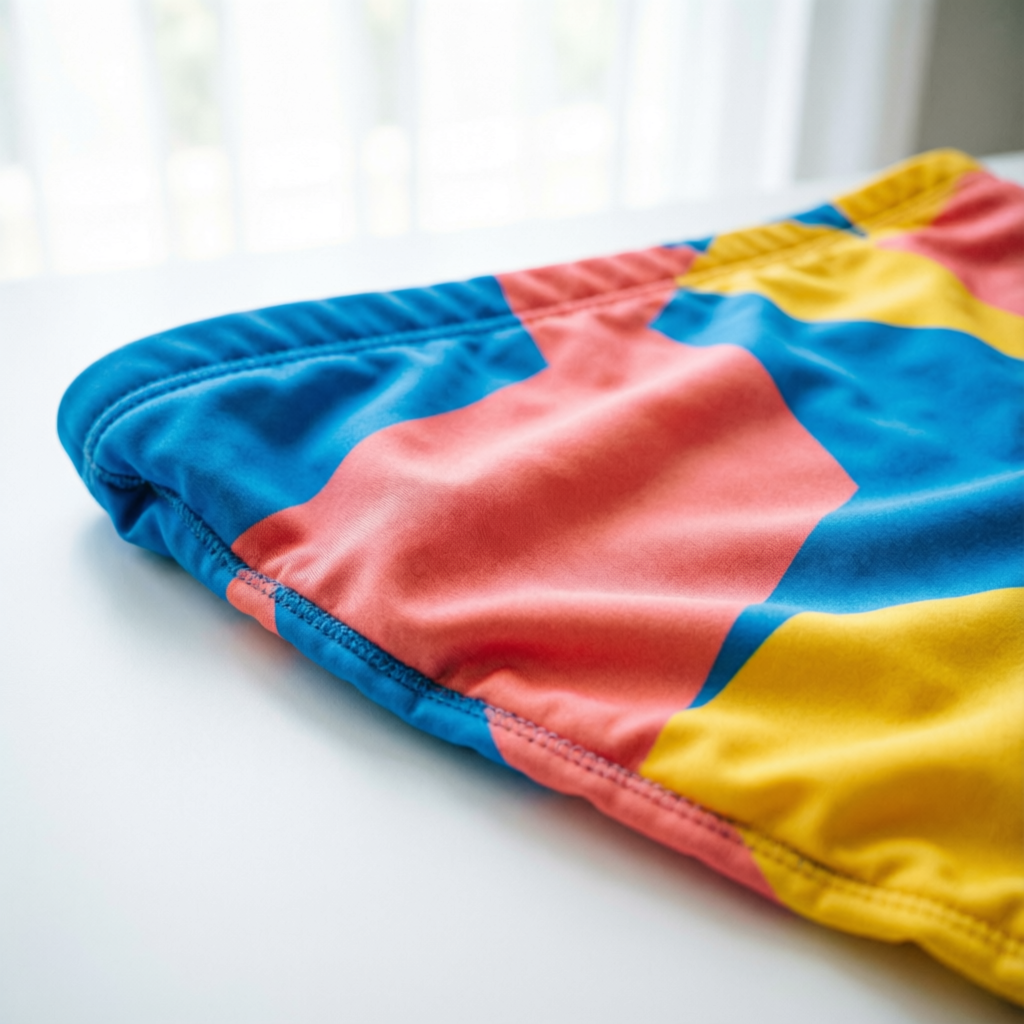

In recent years, recycled eco-friendly fabrics have gained significant traction in the swimwear industry. More and more small to mid-sized brands want to make changes at the supply chain level and integrate sustainability into their product lines. But when it comes to actual execution, they often hit three real roadblocks: high minimum order quantities (MOQs), unsatisfactory fabric hand feel, and budget overruns.
This article shares a real case we handled. A swimwear brand in its early growth stage, with support from Hongxiu Clothing Co., Ltd., successfully switched its entire product line to recycled eco-friendly fabrics in under three months. The process wasn’t as glamorous as one might imagine, but every step was solid and well-executed.
The Client’s Initial Need: Wanting to Transition, but Afraid to Move
In late 2023, a European client was referred to us through industry connections. Their brand had been around for less than three years, targeting the young women’s swimwear market with mid-range positioning. They had already built a loyal customer base through local online channels.
The client’s request was clear: they wanted to switch all new-season styles to recycled polyester (rPET), and gradually convert several stable-selling SKUs from the old collection as well. However, as a small brand, their order volume per style was modest—typically between 200 and 500 units, rarely exceeding 800 pieces. At that scale, they had virtually no leverage in fabric procurement negotiations. They had approached several suppliers before, only to be met with MOQs of 10,000 meters or prices that doubled overnight. The entire plan had stalled.
This is a common dilemma for many small brands: the desire to go green is there, but finding a factory willing to accommodate small-batch production with acceptable quality and pricing feels nearly impossible.
Hongxiu’s Solution: Systematic Coordination from Source to Production Line
When we received this inquiry, our first step was not to quote a price. Instead, we sat down with the client to map out their product line. The client had 8 new SKUs to develop for the coming season, plus 4 legacy styles needing fabric replacement on reorders. We recommended consolidating fabric types into 2–3 weight and composition combinations. This swimwear fabric selection approach satisfied design requirements while increasing the purchase volume per fabric type, thereby reducing per-unit costs.
The final fabric selection was as follows:
- Primary fabric: 100% recycled polyester (rPET) blended with elastane, 200gsm, for printed swimwear styles
- Supplementary fabric: Recycled nylon blended with elastane, used for solid-color panels and contrast color designs
- All fabrics are OEKO-TEX certified, ensuring they are free from harmful substances
Small Batches, Big Effort
The client’s biggest concern was whether any factory would be willing to work with small batches of rPET fabric. Hongxiu is based in Xingcheng, Liaoning—the global swimwear manufacturing hub. Leveraging our deep local textile supply chain network, we went through multiple rounds of discussions with our long-term fabric partners and ultimately locked in MOQs that were within the client’s acceptable range. At the same time, we used our in-house digital printing equipment to offer free polyester print samples during the development phase. This allowed the client to validate color and pattern results before finalizing fabric orders, eliminating costly trial-and-error reorders.
Key Cost Control Points
The raw material cost of recycled eco-friendly fabrics is indeed 15%–25% higher than conventional polyester—that’s a fact. However, we optimized costs for the client through the following measures:
- Standardizing fabric weight across printed and solid styles to reduce fabric variety and increase batch purchase volume
- Streamlining trims and packaging, focusing the budget on fabric quality
- Leveraging Hongxiu’s integrated manufacturing model as a direct factory source, cutting out middlemen and passing the savings directly to the client
In the end, the per-unit cost increase was kept under 10%—far lower than the client’s initial expectations.

Results: 100% Transition with Zero Compromise on Quality
From sample approval to bulk shipment delivery, the entire process took approximately 75 days. All 8 new styles were developed using rPET fabric, and the 4 reorder styles were simultaneously converted. After receiving the bulk order, the client conducted internal quality inspections, with the following results:
- Color fastness and chlorine resistance met the same standards as conventional polyester
- Fabric softness met the client’s expectations, showing no noticeable difference from regular polyester
- All products came with eco-certification hang tags that the client could reference directly in their branding and marketing
More importantly, once the collection launched, end-consumer feedback was highly positive. Many shoppers noticed the recycled fabric information on the hang tags and proactively shared it on social media, generating additional brand exposure and positive word-of-mouth for the client.
What We Learned from This Case
This case study is not earth-shattering, but it represents a trend that is very much underway: recycled eco-friendly fabrics are no longer exclusive to big brands. Small and mid-sized brands are fully capable of making the transition. The key is finding a China swimwear manufacturer who understands the process, is flexible, and is willing to go the extra mile.
As an integrated manufacturer and trading company, Hongxiu Clothing Co., Ltd. has always believed in a simple principle: our clients’ sustainability goals are our production goals. Regardless of order size, if a client is committed to using eco-friendly fabrics, we are committed to supporting them every step of the way.
If you are considering transitioning your product line toward recycled eco-friendly fabrics, feel free to reach out to our team. We can start with a free fabric solution assessment to help you find the most practical path forward, tailored to your brand’s current stage and positioning.