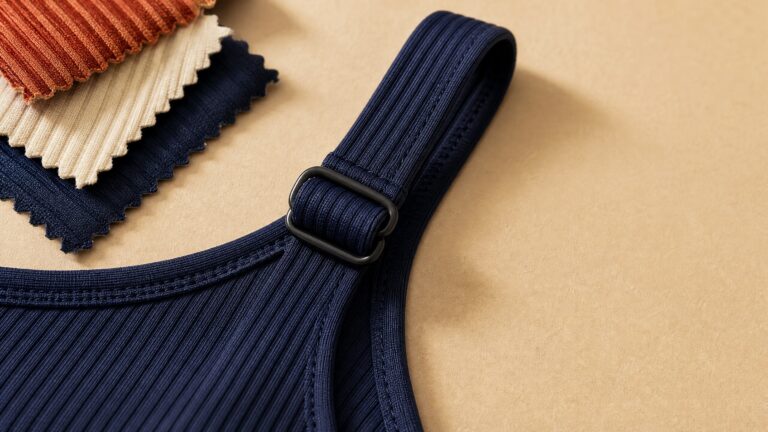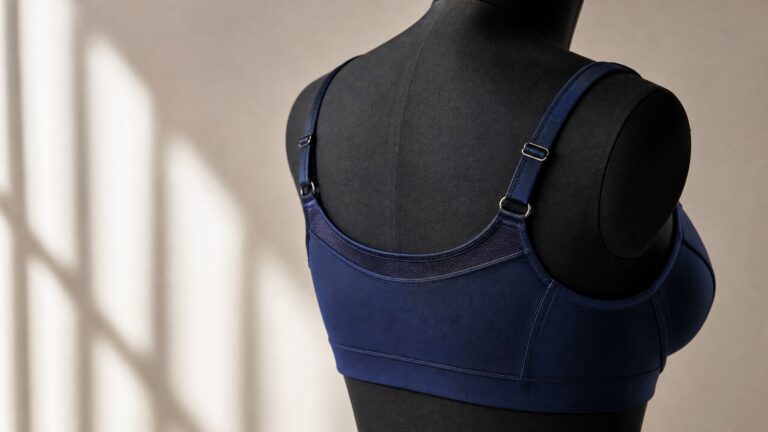

Sliders, O-rings, D-rings — these small hardware components often determine the quality feel and durability of a swimsuit. For overseas swimwear buyers and brands, selecting rust-proof, premium-quality hardware isn’t just about product quality—it directly impacts the end consumer’s wearing experience and brand reputation.
However, swimwear is constantly exposed to seawater, chlorinated water, sunscreen, and sweat. The salt and chemicals in these environments are highly corrosive to metal accessories. Once a slider or ring shows rust spots, discoloration, or surface peeling, the perceived quality of the entire swimsuit drops to zero. So what kind of sliders and rings can truly withstand the test of pools and oceans? This article systematically breaks down the key selection criteria for swimsuit metal trims from three dimensions—material, surface treatment, and design compatibility—helping procurement decision-makers make smarter choices.

Common Types & Functions of Swimwear Sliders and Rings
In swimwear design, sliders and rings serve two main roles: functional and decorative. Understanding the types and applications of different hardware accessories is the first step to correct selection.
Sliders / Slide Buckles
Sliders are typically used on swimsuit straps, bikini neck ties, and side adjustment areas. Their main function is to allow wearers to adjust tightness according to their body shape. Common types include:
- Three-hole slide sliders: Suitable for thinner straps, enabling length adjustments through threading;
- Ladder lock buckles: Easy to operate, commonly used on bikini straps or back-closure swimsuits;
- Spring buckles: Feature a spring-loaded opening mechanism for easy attachment and removal, often used in detachable strap designs.
Rings (O-rings & D-rings)
Rings are essential accessories in swimwear, mainly divided into O-rings and D-rings:
- O-rings: Classic circular rings, commonly used for bikini front connections, side decorations, or as anchor points for strap threading;
- D-rings: Semi-circular or rounded square designs, with straight edges that better conform to fabric, often used at strap root stress points or waist adjustment areas, offering superior load-bearing performance.
Regardless of type, rings in swimwear are typically positioned at high-tension areas, demanding exceptional tensile strength and rust resistance.
Choosing the Right Material: Rust Prevention Starts at the Source
The rust resistance of hardware components is primarily determined by their base material. The mainstream materials used in the swimwear industry include:
1. Stainless Steel
Rust Resistance: ★★★★★
Stainless steel is the gold standard for swimwear hardware rust prevention. Among its variants, SUS304 and SUS316 are most widely used in the swimwear industry. SUS316 contains molybdenum, offering superior corrosion resistance to chloride ions (seawater) compared to SUS304, making it the top choice for high-end swimwear and luxury resort collections. Stainless steel sliders and rings maintain their metallic luster and resist rust spots and surface oxidation even after prolonged immersion in chlorinated pools.
2. Zinc Alloy
Rust Resistance: ★★★☆☆
Zinc alloy, with its strong casting capability and cost controllability, is the most commonly used hardware material in the mid-range swimwear market. However, zinc alloy has limited inherent corrosion resistance, so its anti-rust performance heavily depends on the quality of the surface electroplating layer. If the plating is insufficient in thickness or the process is substandard, bubbling or rust bleeding can occur in humid environments.
3. Copper Alloy (Brass / Copper Alloy)
Rust Resistance: ★★☆☆☆
Copper alloys offer excellent surface texture and outstanding antiqued or polished finishes, making them popular for vintage-style or decorative accessories. However, copper is highly susceptible to oxidation and discoloration in humid, warm environments, producing verdigris. Multilayer electroplating plus a sealing lacquer is essential before it can be used in swimwear. Unless required for specific design purposes, copper-based hardware is not recommended for functional stress-bearing areas in swimwear.
Surface Treatment: The Second Line of Defense
The base material determines the "floor" of hardware performance, while the surface treatment process defines its "ceiling" in real-world usage. Even for stainless steel, proper surface treatment can further enhance corrosion resistance and visual premium feel.
Common surface treatment processes for swimwear hardware include:
- Electroplating: Uses electric current to deposit a metal coating (e.g., nickel, chrome, gold, silver) onto the base material. Thicker and more numerous coating layers result in longer rust protection. Common colors include bright gold, bright silver, rose gold, matte black, etc.;
- PVD (Physical Vapor Deposition): An advanced vacuum coating process that produces a dense, strongly adhesive film. Wear and corrosion resistance far exceed standard electroplating, with a wider color selection (e.g., gunmetal, light gold, rainbow). Ideal for mid-to-high-end swimwear brands with elevated requirements for hardware aesthetics;
- Paint + Sealing Treatment: Suitable for materials like zinc alloy. Color paint is applied followed by a sealing layer to isolate air and moisture. Cost is relatively manageable, but durability is inferior to electroplating and PVD.
Procurement tip: When selecting hardware, request Salt Spray Test reports from suppliers—this is the industry-standard method for verifying rust resistance. General swimwear hardware should pass 24–48 hours of salt spray testing, while premium lines should aim for 72+ hours.
Detail Control: Four Key Dimensions for Swimwear Hardware Procurement
1. Size and Weight
Slider and ring dimensions must precisely match fabric thickness and strap width. Too tight makes threading difficult; too loose risks slipping. Also consider hardware weight—overly heavy components can drag down the fabric, affecting fit and wearing comfort. We recommend involving hardware in sample garment fitting sessions during the development stage.
2. Edge Smoothness
All inner and outer edges of swimwear hardware—especially rings and sliders—must be chamfered and polished. Any burrs or sharp edges can snag swimsuit fabric or even scratch the wearer’s skin. A simple test: rub a cotton cloth across the hardware edge—if it catches or snags, the smoothness is insufficient.
3. Color Consistency
When a swimwear design uses multiple hardware pieces (e.g., shoulder sliders + chest O-ring + back closure), color variation between batches must be strictly controlled. Request color chips or Pantone references from suppliers for batch comparison.
4. Color Fastness & Chemical Resistance
Swimwear hardware frequently encounters chemicals in sunscreen (zinc oxide, titanium dioxide) and pool chlorine. High-quality surface treatments must resist these substances without coating peeling or color fading. We recommend performing accelerated aging tests by submerging hardware samples in diluted chlorine water to simulate pool conditions.
How to Coordinate with Swimwear Factories for Hardware Selection
For brands without their own hardware supply chain, the most efficient approach is to delegate hardware selection to your swimwear manufacturer. A mature swimwear ODM/OEM factory should offer the following capabilities:
- Hardware compatibility expertise: Sourcing suitable hardware styles from established supplier networks, offering multiple color options (gold, silver, rose gold, matte black, etc.);
- Manageable custom MOQs: If custom brand logos or special colors are needed, confirm minimum order quantities (MOQs) in advance. Standard styles are available in small quantities, while custom mold-made accessories require minimum order commitments;
- Quality tier recommendations: Recommending different hardware quality levels based on brand positioning and price range—premium lines should prioritize stainless steel + PVD, while mid-range lines can use high-quality electroplated zinc alloy.
Take Hongxiu Clothing Co., Ltd. as an example. With three decades of deep expertise in the swimwear industry, we are based in Xingcheng—a global swimwear core manufacturing hub—surrounded by a mature hardware and accessories supply chain. From standard stainless steel sliders and rings to custom logo mold-made accessories, we maintain long-term partnerships with hardware suppliers, enabling us to assist brands with the entire process from selection to quality inspection. Meanwhile, our technical team evaluates each swimwear style and fabric characteristics to recommend the optimal hardware matching solution, ensuring both functionality and aesthetics.
Conclusion
A single rusty slider can destroy the brand image of a premium swimsuit. When procuring swimwear hardware—especially sliders and rings—remember three core principles:
- Material First: Stainless steel (SUS304/316) offers the most reliable rust resistance. Zinc alloy is suitable for mid-range lines but requires careful attention to plating quality.
- Surface Treatment Defines the Ceiling: Request salt spray test reports from suppliers. Prioritize PVD or high-quality multilayer electroplating processes.
- Detail Testing is Non-Negotiable: Edge smoothness, size matching, color fastness, and chemical resistance must all be thoroughly validated during the sampling stage.
To learn more about swimwear hardware selection details or to request samples for quality testing, feel free to contact Hongxiu Clothing Co., Ltd. Click the button below to connect directly with our technical team and receive hardware matching recommendations tailored to your brand positioning.